Wondering where Boca Raton’s luxury seasonal rentals book fastest and command the strongest rates? You are not alone. With more winter visitors pouring into Palm Beach County each year, the best-positioned homes and condos here see intense interest from November through April, especially in January through March. In this guide, you will see which Boca micro-markets lead demand, what typical seasonal terms look like, key rules that shape your options, and how to match a property to your goals. Let’s dive in.
Why seasonal demand is so strong now
Palm Beach County set a visitation record with 9.9 million visitors in 2024, and momentum continued into 2025. That rising tide supports peak winter demand across Boca’s luxury rental options. You see it most clearly in premium, furnished homes and condos that deliver a turnkey lifestyle during the snowbird window.
At the market level, short-term rental analytics for Boca show median nightly rates in the high two hundreds to about three hundred dollars and occupancy in the upper 40s to low 50s percent range on a 2025 data basis. Those are broad snapshots. Actual performance depends on neighborhood, product type, and season timing. The highest-end seasonal rentals transact on multi-month terms and price well above typical nightly averages.
The strongest micro-markets
Waterfront estates with dockage
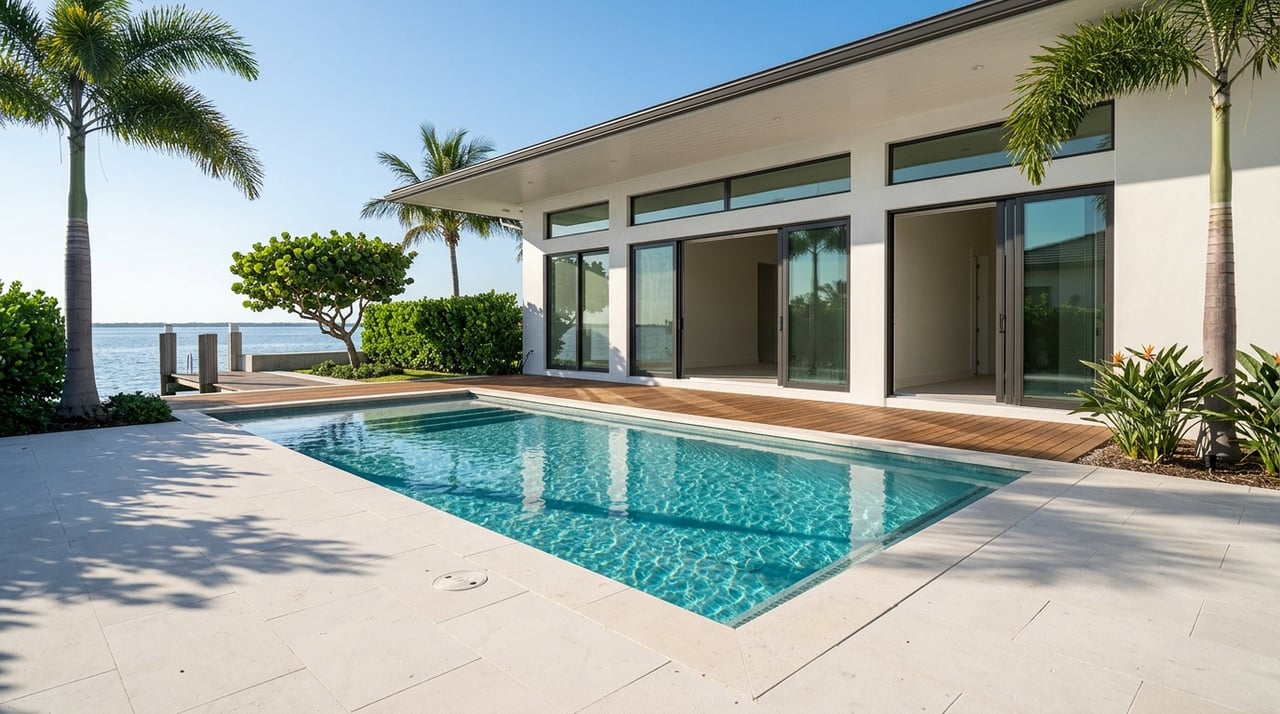
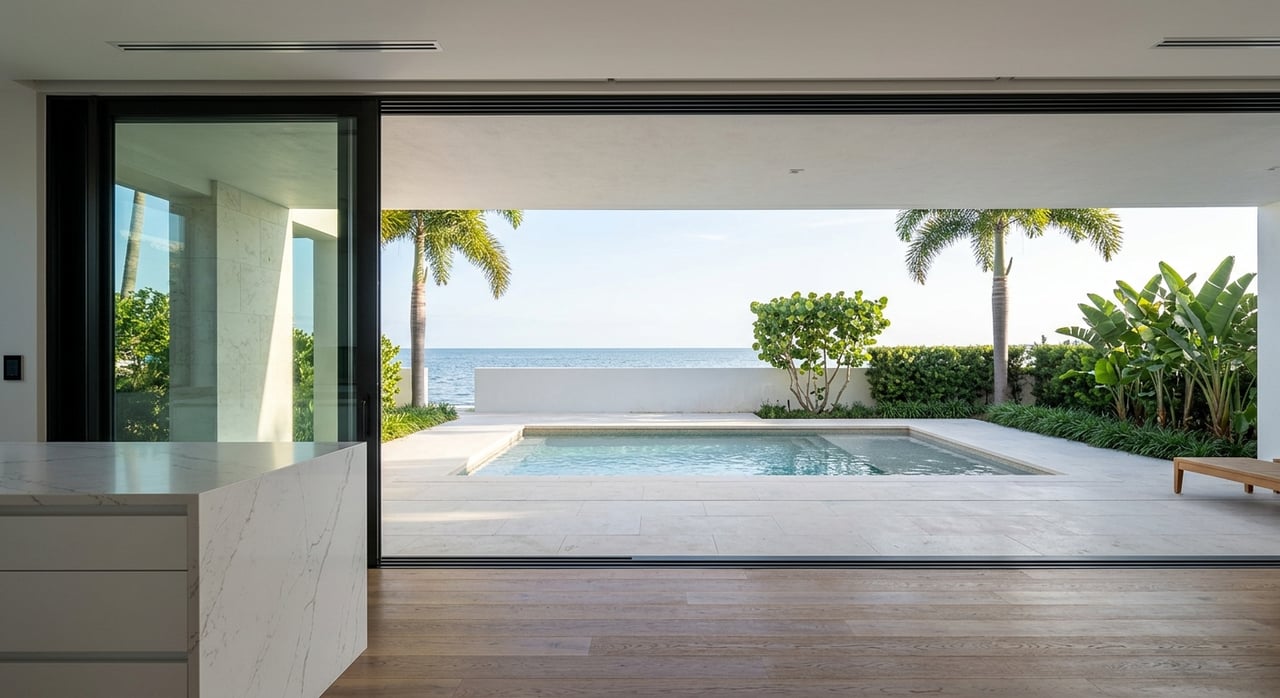
If you want the top of the seasonal market, start on the water. Intracoastal and ocean-access estates in areas like Royal Palm Yacht & Country Club, Boca Harbour, and East Boca’s intracoastal corridors attract high-net-worth tenants who value privacy, space for guests, and a boat-ready lifestyle.
- Why demand concentrates here: direct boat access, resort-grade outdoor living, and privacy.
- Typical terms: multi-month seasonal leases, often 3 to 6 months, with funds paid in advance for the core season.
- Representative peak pricing: fully furnished waterfront houses commonly ask about $12,000 to $50,000 or more per month depending on size, dockage, and finishes. Verify current asks by property and exact location.
Downtown and Mizner Park high-rises
Walkable luxury towers near Mizner Park attract renters who want a low-maintenance lifestyle with dining, culture, shopping, and the beach within a short drive. Buildings vary by policy, but many support seasonal leases in the 3 to 6 month range.
- Why demand concentrates here: convenience, security, valet services, and quick airport access.
- Typical terms: furnished 1 to 3 bedroom seasonal rentals, often with building-specific minimums.
- Representative peak pricing: roughly $8,000 to $15,000 or more per month for luxury finishes and views during the core season, depending on the building and floor plan.
Private club and gated country-club communities
Communities such as Boca West and Boca Pointe offer layered amenities that seasonal residents love. Multiple golf courses, racquet sports, dining, fitness, and social programming create a resort-style rhythm that fits a winter-in-Florida plan.
- Why demand concentrates here: on-site amenities and social calendars.
- Typical terms: many club-area rentals require multi-month minimums, often around four months, and may involve club or guest membership fees, membership transfers, and HOA tenant approvals.
- Representative peak pricing: seasonal furnished condos commonly market from about $3,500 to the low teens per month depending on plan, building, and membership structure.
Town Center and West Boca suburban pockets
West of I-95, you find a broad mix of condos and single-family neighborhoods near shopping and medical centers. These areas tend to favor longer leases. Some owners still target seasonal windows or off-season monthly stays, but association rules and zoning often steer terms toward 6 months or annual.
- Why demand concentrates here: value relative to waterfront and downtown, plus convenient access to daily needs.
- Typical terms: a mix of annual and extended seasonal leases based on association policy.
What the calendar looks like
Boca’s seasonal window runs late November through April, with the sharpest pricing and the fastest booking velocity most often in January, February, and March. If you plan to lease during peak months, have your documents ready early. Many owners set multi-month minimums and request prepayment for the season.
Pricing snapshots and context
To anchor expectations, use ranges rather than absolutes, then verify by building, block, and floor plan.
- Waterfront estates: about $12,000 per month for modest waterfront options to $20,000 to $50,000 or more for premium estates in peak months.
- Downtown luxury condos: about $8,000 to $15,000 or more per month for furnished 2 bedroom units with strong finishes and views.
- Club communities: seasonal furnished condos often market from about $3,500 to the low teens per month, with multi-month minimums and potential club dues.
For investors, a city-level baseline helps frame yield. As of January 31, 2026, average rent in Boca Raton was about $2,894 per month and the average home value was about $551,580. Annualized, that implies a gross yield near 6.3 percent. Seasonal properties can outperform during winter months, yet they carry higher operating costs, regulatory complexity, and vacancy risk outside the peak.
Rules that shape your plan
Understanding the regulatory backdrop is essential before you buy or lease.
City zoning for single-family parcels
Boca Raton’s zoning code treats transient lodging uses as a distinct category and does not permit them within single-family residential districts. In practice, that means the city can restrict hotel-style or revolving-occupancy rentals in single-family neighborhoods. Always verify a property’s zoning, any past variances, and how the city interprets transient use for your address.
County tourist tax on rentals six months or less
Palm Beach County imposes a Tourist Development Tax on rentals of six months or less. Hosts that offer taxable stays must register a TDT account, display the account number on listings, and remit monthly. This county tax is separate from state sales tax. Noncompliance is a common risk, so set up filings before you advertise.
State lodging and licensing considerations
Some rental arrangements meet the definition of a transient public lodging establishment under Florida law. Depending on the frequency, duration, and advertising of your rental, you may need a Division of Hotels and Restaurants license. Review the state’s guidance and forms early and align your advertising and lease structure with the classification you intend to use.
Condo and HOA rules are not the same
Florida condominium law generally provides that new amendments which prohibit or materially limit rentals apply to owners who consent or to buyers who acquire title after the amendment date. HOA rules differ. Many HOAs can adopt rental restrictions that limit leases shorter than six months and frequency caps that bind all owners. That distinction has real implications for your rental strategy. Always review the declaration, bylaws, rules, and recent minutes before you make an offer.
Legislative context
A statewide vacation-rental bill proposed in 2024 was vetoed in June 2024. Local governments therefore continue to set and enforce important pieces of the regulatory puzzle. If you plan to operate in multiple cities or counties, align each property with its local program.
Matching your goals to the right micro-market
Use your primary objective to guide neighborhood selection and terms.
- You plan to host and boat with family and friends: look to intracoastal and ocean-access estates where dockage, outdoor living, and privacy are part of the package. Expect multi-month leases and peak pricing in winter.
- You want lock-and-leave convenience near dining and culture: focus on Mizner Park and downtown towers where furnished seasonal condos trade on walkability and building services.
- You want a built-in social and fitness calendar: explore Boca West and similar private-club communities. Budget for multi-month minimums, membership transfers, and association approvals.
- You are optimizing yield with risk controls: map your numbers to realistic occupancy, not just peak-month rates. Use city rent and value baselines as conservative anchors, then model seasonality, taxes, licensing, HOA rules, and management costs.
A simple framework to evaluate a seasonal property
Before you commit, walk through this quick evaluation.
- Define your use case. Primary personal use, investment first, or a blend.
- Confirm the legal path. Check city zoning, county TDT requirements, and whether state licensing applies.
- Verify association rules. Pull the declaration, bylaws, rules, and recent minutes. For condos and HOAs, confirm lease minimums, frequency limits, approval timelines, and any club dues or transfer fees.
- Pin down the calendar. If you intend to lease January through March, assume competitive pricing and early booking windows.
- Price with comps. Use current seasonal listings in the same building or block for like-kind comparisons.
- Model cash flow. Forecast rent by month, incorporate vacancy, management, cleaning, utilities, taxes, membership transfers, and furnishings. Compare to a conservative long-term baseline.
- Set standards. Furnish to an executive level, photograph professionally, and present clear house rules aligned with your licensing and association requirements.
How to secure a peak-season lease as a tenant
- Start early. The most sought-after properties for January to March often pre-book in late summer or early fall.
- Get documents ready. Expect association applications, background checks, and in some clubs, membership or guest privilege paperwork.
- Understand payment terms. Many owners request all or most of the seasonal rent upfront, plus deposits.
- Clarify inclusions. Ask which utilities, services, and memberships are included. Confirm any tax or licensing disclosures tied to the lease length.
Your next step
The strongest seasonal demand in Boca concentrates on the water, in walkable downtown towers, and within amenitized private-club communities. Each sub-market has its own rules, pricing cadence, and approval processes. If you want to maximize your season or structure a purchase with a clear rental strategy, a local, data-driven approach makes all the difference.
If you are considering a seasonal lease or evaluating a property to purchase and rent, schedule a private conversation with Kim Klotz. You will get a discreet, tailored plan that aligns your lifestyle and investment goals with the right Boca address.
FAQs
When is peak season for Boca Raton luxury seasonal rentals?
- Peak booking and pricing usually occur from January through March, within a broader seasonal window that runs late November through April.
Are short-term rentals allowed in single-family neighborhoods in Boca Raton?
- The city’s zoning code does not permit transient lodging uses in single-family residential districts, so hotel-style or revolving-occupancy rentals face restrictions; always verify a property’s zoning interpretation for your address.
Do I need to collect and remit tourist tax on a 3 to 4 month lease in Palm Beach County?
- Rentals of six months or less are generally subject to the county Tourist Development Tax, which requires registration and monthly remittance; confirm details with the county program before advertising.
Could my seasonal rental require a Florida lodging license?
- It depends on how often you rent, how long guests stay, and how you advertise; some setups meet the definition of a transient public lodging establishment and require a state license from the Division of Hotels and Restaurants.
How do condo and HOA rental rules differ for seasonal leases in Florida?
- Condominium rental amendments often bind owners who consent or future buyers, while many HOAs can adopt six-month minimums and frequency caps that apply to all owners; always review governing documents and recent amendments.
What do current market snapshots say about Boca short-term performance?
- A 2025 snapshot shows median nightly rates near 290 to 300 dollars and occupancy around 48 to 51 percent, but performance varies widely by neighborhood and property type.
Sources and references
- Record visitation for The Palm Beaches in 2024 supports seasonal demand: Discover The Palm Beaches press release
- Boca Raton STR market snapshot, 2025 data basis: AirROI Boca Raton market report
- City zoning, permitted uses and definitions: Boca Raton Code §28-339
- County tourist tax requirements: Palm Beach County Tourist Development Tax
- State licensing guidance: Florida DBPR, Hotels and Restaurants forms
- Florida Condominium Act rental amendments: Florida Statute §718.110
- Florida HOA rental amendment limits: Florida Statute §720.306
- 2024 vacation-rental bill veto context: Governor veto reported by Florida Realtors