Dreaming of a yacht-forward home in Boca Raton where security, privacy, and deep-water access align? If The Sanctuary is on your shortlist, you are looking at one of the city’s most coveted gated waterfront enclaves. Before you write an offer, it pays to understand how the HOA works, what the waterways demand, and which inspections separate a confident purchase from a costly surprise. This guide gives you a clear, practical path so you can evaluate any Sanctuary property with precision. Let’s dive in.
The Sanctuary at a glance
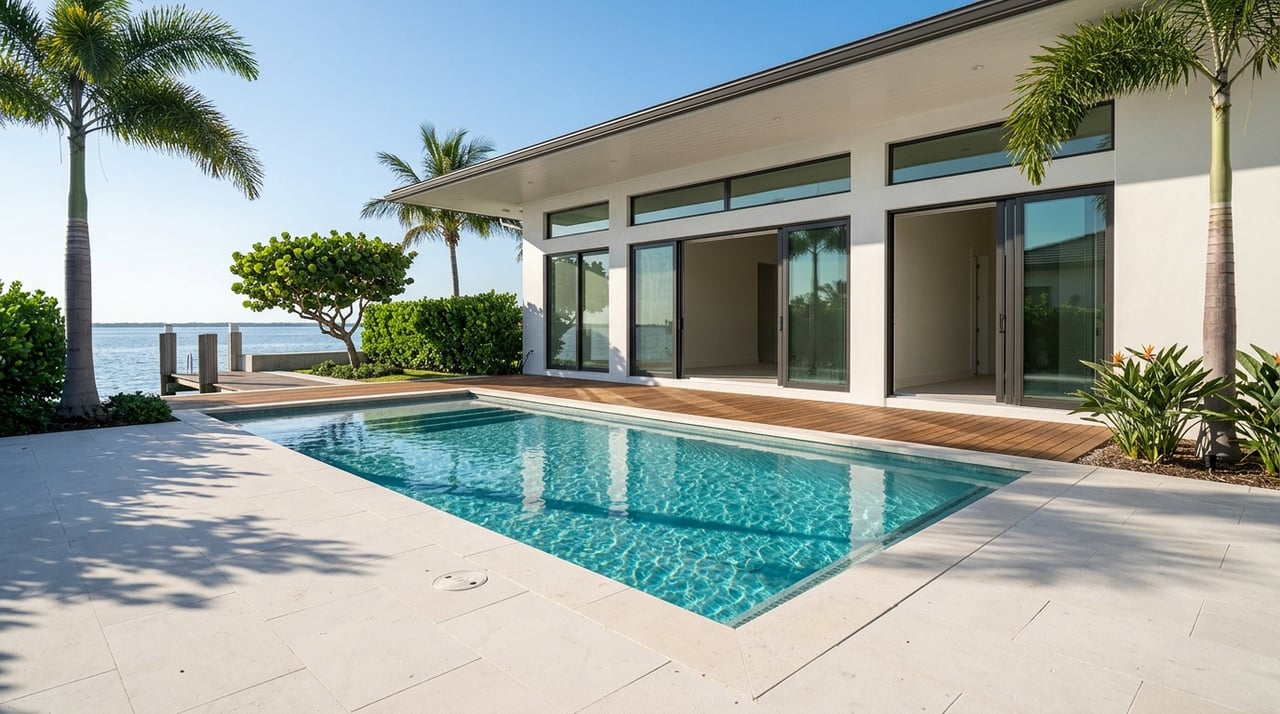
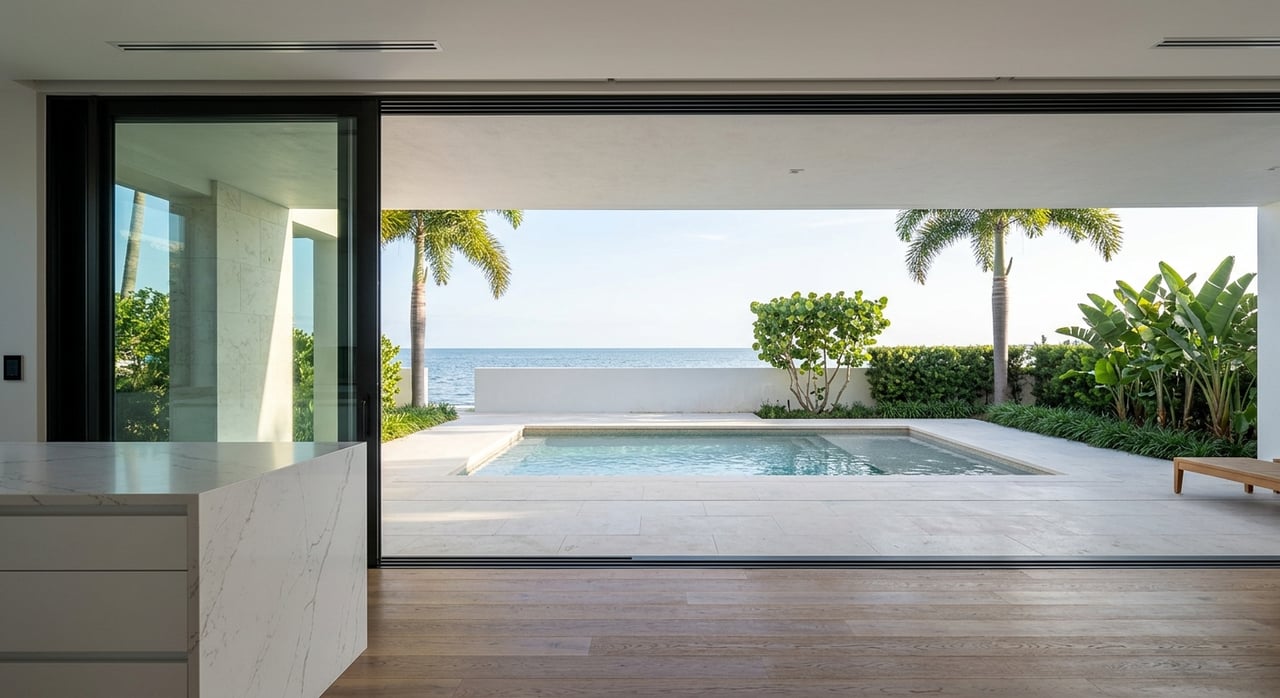
The Sanctuary is a guard-gated waterfront community in Boca Raton known for a private marina, deep-water dockage behind many estate lots, and a 27-acre bird and wildlife preserve. The community’s own materials position it as a yachting neighborhood with about twenty marina slips and security-focused living. You will find both waterfront and interior homes, with boating access via canals that lead to the Intracoastal. For an overview of amenities and governance, review the community’s site and resources on the HOA’s management portal at your earliest stage of due diligence. Community overview and HOA resources
HOA, ARB, and approvals
In The Sanctuary, the homeowners association manages day-to-day operations, rules, architectural oversight, and marina policies. The HOA’s sale and rental applications, rules and regulations, and other forms are published by the management vendor, Sea Breeze. Start by confirming resale requirements, guest and vendor access rules, fines, and any rental restrictions that matter to your plans. You should also request the seller’s official HOA resale packet and an estoppel certificate to verify dues, assessments, and violations. HOA application and rules reference
Most exterior changes are subject to architectural review. Expect to submit for ARB approval for items like exterior remodels, dock extensions, boat lifts, roof colors, and major landscape changes. Ask for the current ARB design guidelines, submittal checklist, and typical review timelines so you can plan your project sequence and closing expectations around approval cycles. ARB reference and community governance
Waterfront realities to verify
Dock and slip rights
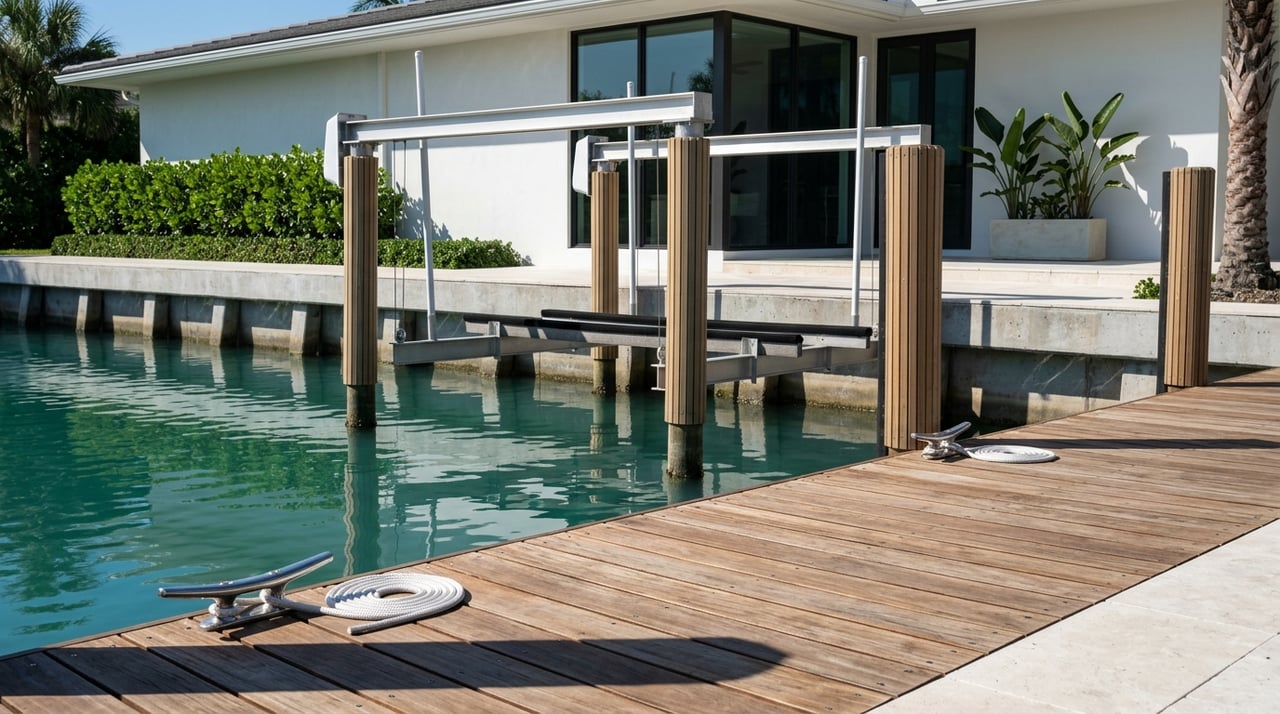
Confirm in writing how waterfront rights attach to the home you are buying. A dock can be owner-owned and transfer with title, part of a separate marina or lease, or subject to HOA assignment or permits. If you intend to use the community marina, ask how slip assignment works, whether there is a waitlist, and if any slip rights transfer with the property. Do not assume anything about transferability or priority without documentation. Marina and dock overview
City design standards and permits
Boca Raton’s marine structures code sets the rules for seawalls, docks, inspections, and permits. New or replacement seawalls and docks are typically designed to a minimum elevation of 4.0 feet NAVD88, with a maximum of 6.0 feet NAVD88 for most residential scenarios, and should be engineered to allow a future 12 to 18 inch raise. Single-family docks are usually limited to a 6 to 8 foot extension waterward of the seawall, depending on canal width and setbacks. The City will not issue local permits until required state and federal approvals are in place, so build time into your plan for FDEP and USACE reviews when applicable. City seawall and dock standards
Seawall condition and costs
Waterfront value depends on a sound seawall. Order a seawall inspection by a licensed marine contractor or a structural engineer with marine experience. A thorough report will evaluate the wall type, tie-backs, toe and soil conditions, seepage, sinkholes, and remaining service life, and may include diver or sonar work. If the wall is compromised, you could face a major capital project. In South Florida, buyers often budget from tens of thousands into the hundreds of thousands of dollars for full replacement, depending on frontage, access, and soils. What a seawall inspection should cover
Depth, dredging, and your route
Shoaling at or near the Boca Raton Inlet appears periodically in the U.S. Coast Guard’s Local Notices to Mariners for the West Palm Beach to Miami corridor, which can change usable depth at low tide. Never rely solely on a listing’s single depth note. Get a current sounding at your dock, measured at Mean Low Water by a licensed marine surveyor, and consider a safety margin of 1 to 2 feet above your vessel’s draft. For boats drawing more than 6 feet, detailed soundings and a local captain’s advice are recommended. Review recent Local Notices to Mariners for active dredging and route conditions before you plan routine transits. USCG Local Notices to Mariners reference
Bridge clearances and schedules
“No fixed bridges” typically means there are no permanent low fixed spans on the route, not that you will avoid drawbridges. The Intracoastal route includes bascule bridges such as Spanish River, Palmetto Park, and Camino Real. Closed clearances commonly referenced by local captains are about 25 feet at Spanish River, 15 feet at Palmetto Park, and 9 feet at Camino Real, though you should verify on the water at representative tides. Check drawbridge opening schedules and build the timing into your cruising plan. Local bridge clearances and openings
Your due diligence checklist
Use this sequence during a standard 15 to 30 day inspection window. Adjust to your contract timeline.
- Request the HOA estoppel and resale packet immediately
- Florida law requires associations to deliver an estoppel certificate within 10 business days of a written request. The estoppel confirms dues, assessments, violations, and transfer conditions. Ask the HOA to disclose any open violations on the property. Florida HOA estoppel statute
- Gather governing documents and ARB guidelines
- Obtain the Declaration, Bylaws, Rules and Regulations, ARB standards, recent board minutes, current budget, and any reserve study or engineering reports related to seawalls or the marina. This tells you who is responsible for seawall and dock maintenance and flags upcoming capital projects. HOA rules and application reference
- Order a boundary and title survey
- Get a current ALTA or owner’s survey that clearly shows the property line, seawall wet face, any pierhead or encroachment lines, and easements. You will need accurate lines for any future dock or seawall permits. City submittal criteria reference
- Commission a seawall inspection
- Hire a marine engineer or certified seawall contractor to complete a wet-face inspection with photos, findings, and a repair or replacement cost range. If issues are found, secure contractor proposals and timelines before closing. Seawall inspection scope
- Inspect the dock, piles, and lifts, and pull permit history
- Review as-built drawings and permits for dock and lift installations, including City, County, FDEP, and USACE records. Verify permitted dock length, side setbacks, and load ratings for lifts if you plan to change vessels. City marine permitting guide
- Verify depth at the dock and test the route
- Order a licensed marine surveyor to take soundings at MLW at your dock. If boating is central to your purchase, arrange a test transit with a local captain to the inlet at a representative tide. Check the latest Local Notices to Mariners for any shoaling updates. USCG LNM reference
- Confirm bridge clearances and scheduling impact
- Measure your vessel’s air draft and compare it to closed clearances on the ICW bridges you will use. If you require an opening, study the drawbridge schedule and plan around peak times. Local bridge clearances and openings
- Review environmental permitting constraints
- In-water work may require USACE, Florida DEP, and City approvals, and some permits observe seasonal windows to protect seagrass and marine life. Do not assume quick turnaround for in-water permits. Overview of coastal protection approaches
- Confirm insurance and insurability
- Ask your insurance advisor to underwrite the property with the seawall and dock inspection results, survey, and elevation data in hand. Seawall condition, flood zone, and elevation can influence premiums and terms.
- Sequence your timeline
- Submit the HOA estoppel and document requests the day your contract is executed, then book marine inspections early since diver teams and surveyors may have lead times. If you plan renovations, confirm ARB cycles and City permit timing to avoid unrealistic expectations. Florida HOA estoppel statute
Red flags to watch
- Large recent special assessments or low reserves in the HOA financials, which can signal future capital needs like seawall or marina work. Review the budget and reserve study carefully. HOA rules and application reference
- Seller disclosures that reference emergency seawall repairs or dock work without closed permits. Confirm with the City and permitting agencies and be prepared for corrective work if permits were not closed. City seawall and dock standards
- Vague claims of “deep water” without a certified sounding at Mean Low Water. Always order a marine survey to confirm depth for your vessel’s draft. USCG LNM reference
- A mismatch between your air draft and the closed clearances of the bridges on your route. Measure your vessel and verify clearances with a local on-water check. Local bridge clearances and openings
Make your move with clarity
Buying in The Sanctuary rewards careful preparation. When you confirm HOA obligations, ARB timelines, dock and slip rights, seawall integrity, depths, and bridge realities, you position yourself to close with confidence and enjoy the waterfront lifestyle you expect. If you want a discreet, end-to-end process that protects your interests and timeline, connect with Kim Klotz for a private consultation.
FAQs
What is The Sanctuary’s governance structure and where do I get the rules?
- The HOA manages rules, approvals, and marina policies, and key documents like sale applications and rules are posted on Sea Breeze’s site, which you should request along with the seller’s official resale packet. HOA rules and application reference
How high do seawalls need to be in Boca Raton and can I raise mine?
- City guidance sets a typical range of 4.0 to 6.0 feet NAVD88 for new or replacement residential seawalls and encourages designs that can be raised later, subject to engineering and permits. City seawall and dock standards
How far can a dock extend from my seawall in The Sanctuary?
- Residential docks in Boca Raton generally extend 6 to 8 feet waterward of the seawall depending on canal width and side setbacks, so verify your specific parcel’s permitted dock footprint before planning any changes. City submittal criteria reference
Do marina slip rights in The Sanctuary transfer with the home?
- It varies by property and policy, so confirm in writing whether a slip is owner-owned, leased, or HOA-assigned, whether there is a waitlist, and if any slip rights transfer at closing. Marina and dock overview
How do I verify actual water depth at the dock?
- Order a licensed marine surveyor to take a sounding at Mean Low Water, then compare the result to your boat’s draft plus a safety margin and review the USCG Local Notices for any shoaling along your route. USCG LNM reference
What are typical closed clearances for nearby drawbridges?
- Local captains often reference about 25 feet at Spanish River, 15 feet at Palmetto Park, and 9 feet at Camino Real when bridges are closed, though you should verify on the water and consult schedules. Local bridge clearances and openings