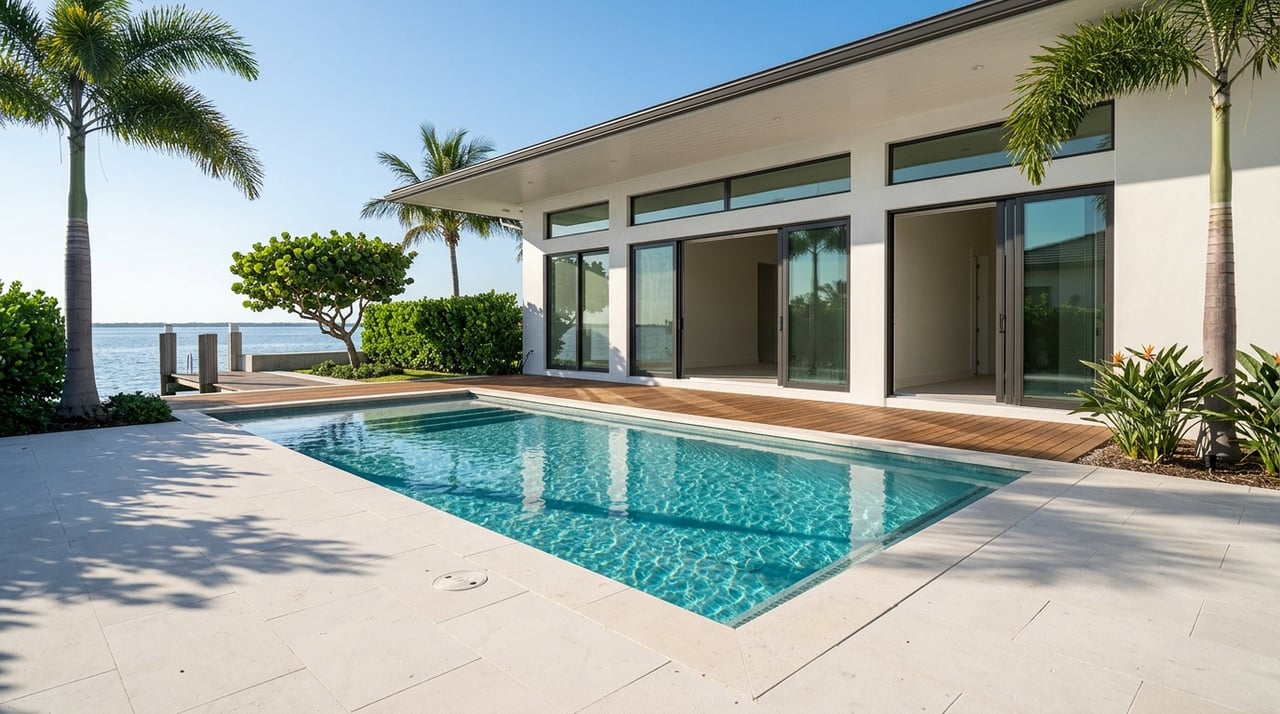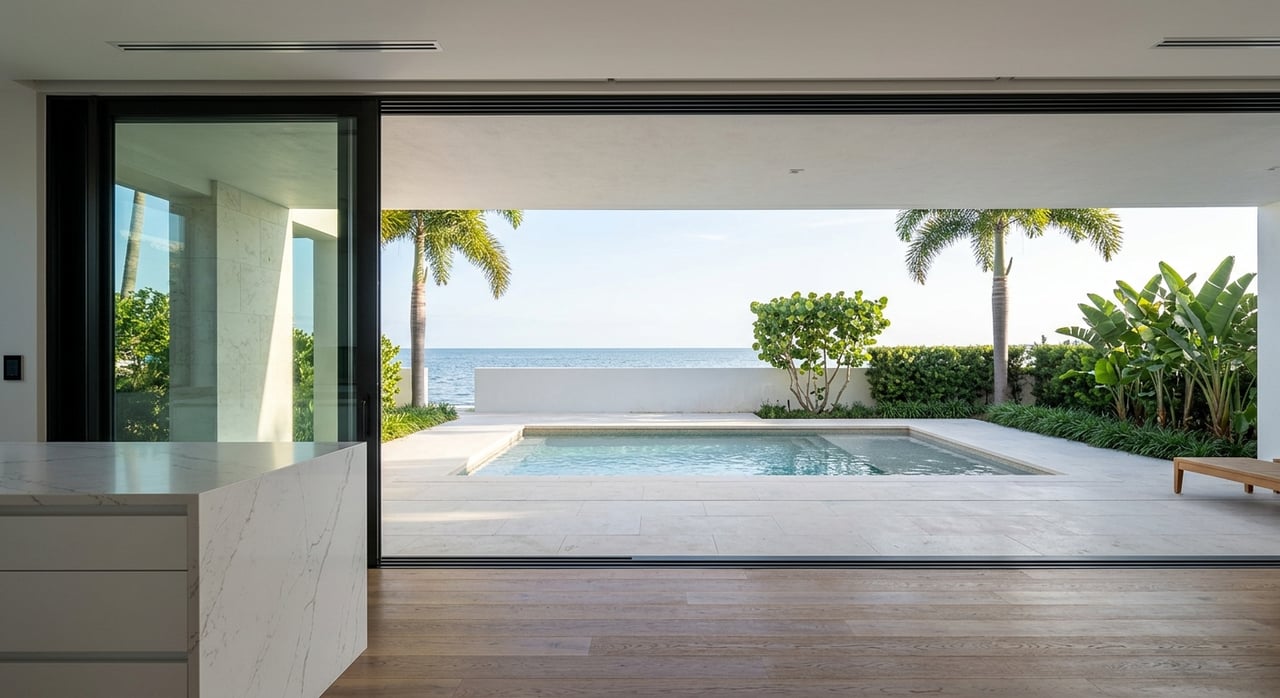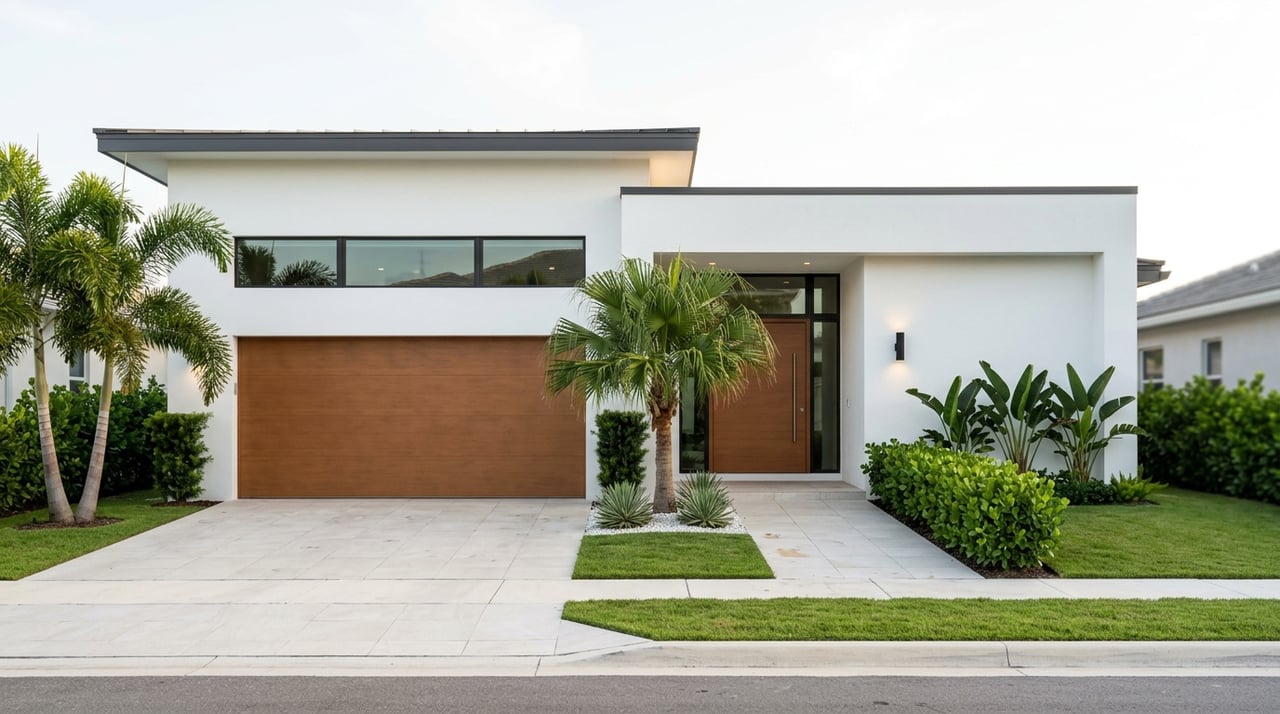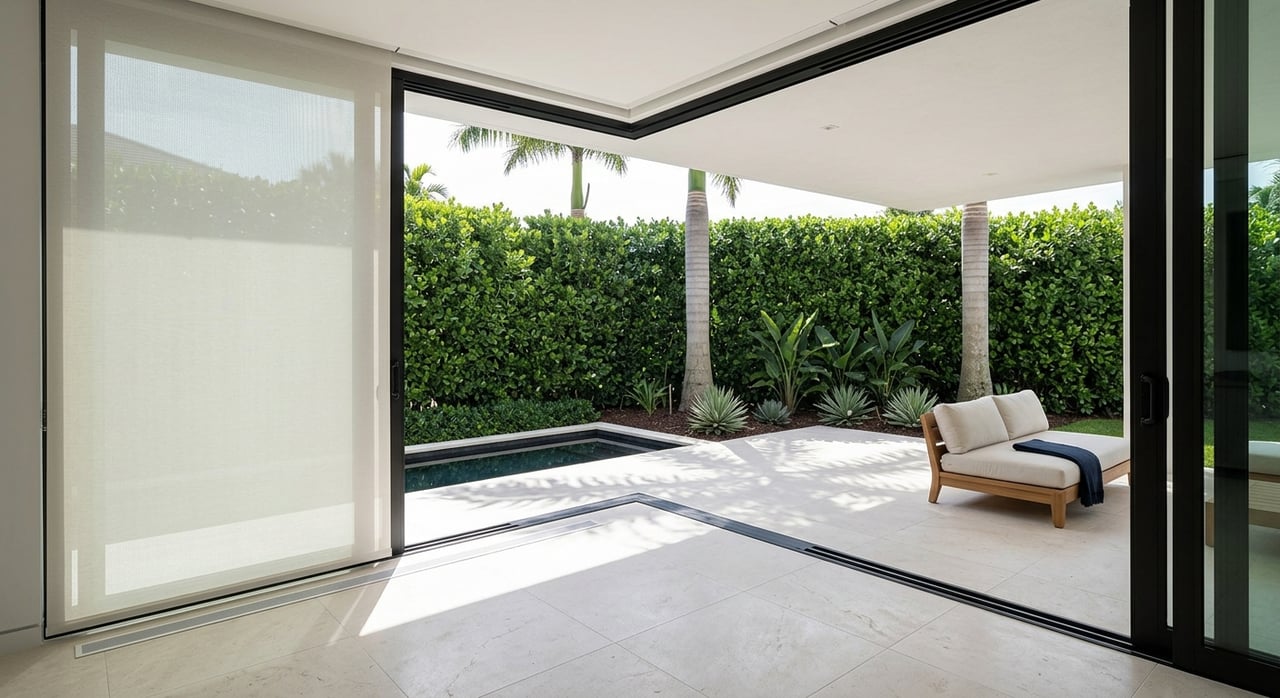
What is the right asking price for a Sanctuary estate today? In a neighborhood where two homes on the same street can trade a million dollars apart, pricing is not a formula. It is a narrative supported by evidence. If you are quietly considering a sale, you want a strategy that protects your privacy, attracts the right buyers, and stands up to appraisal.
In this guide, you will learn how Sanctuary buyers value dockage, frontage, renovation level, and privacy, and how to translate those features into a defensible price. You will also see recent sale examples, a step-by-step pricing framework, and a readiness checklist that reduces friction during negotiations. Let’s dive in.
The Sanctuary market today
The Sanctuary is an ultra-luxury, guard-gated, waterfront enclave in east Boca Raton known for custom estates, a private marina, Har-Tru courts, and an internal nature preserve. Community pages highlight the preserve setting and marina lifestyle, which remain central to buyer demand. For an overview of amenities, see the neighborhood’s community resources at bocaratonsanctuary.com.
As of January 2026, the neighborhood’s median sale price is approximately $6.68 million, and marketing times tend to run longer than the broader Boca market. Inventory is small and turnover is low, which makes each closing influential. When you set your price, you should date-stamp your market snapshot and anchor it to the most recent 12 to 18 months of Sanctuary and adjacent deep-water sales.
What drives price here
In The Sanctuary, a few features create most of the spread between sale prices. Focus your pricing conversation on these items, and document them clearly in your listing package.
Dockage and marina access
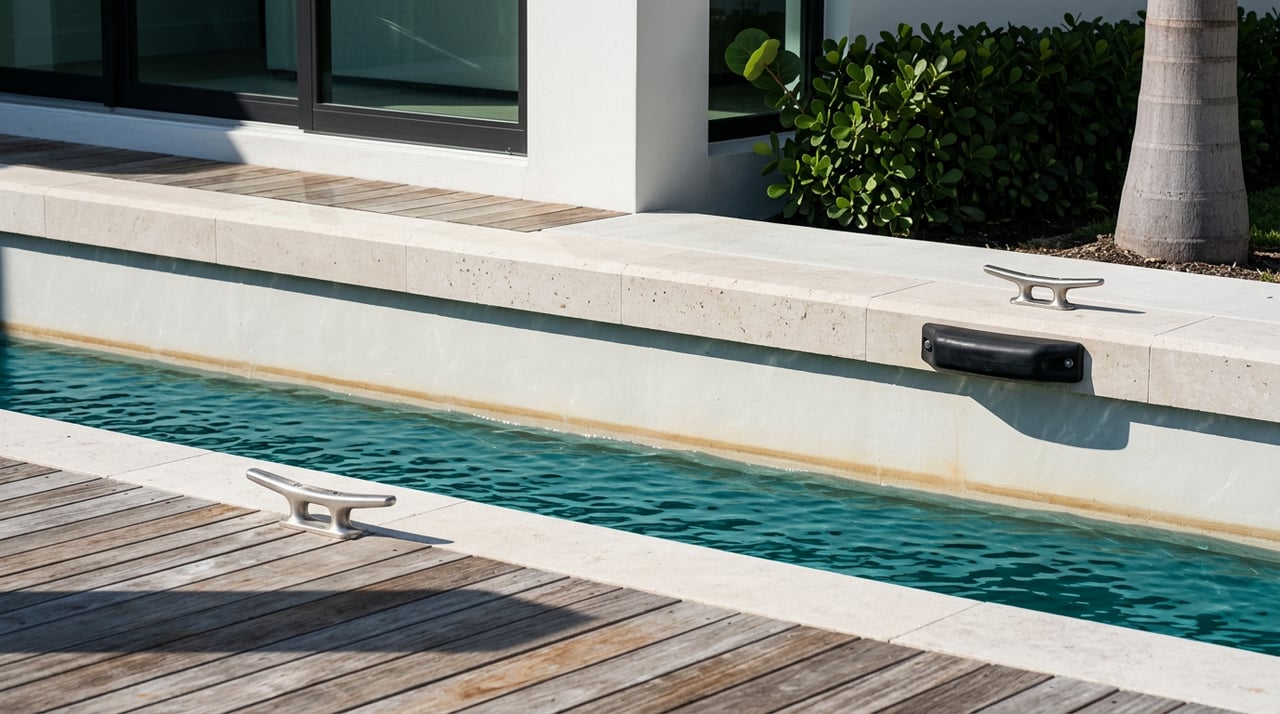
Private backyard dockage with deep-water access is a top-tier value driver. A turnkey dock and lift that accommodates larger boats expands your buyer pool and shortens time to close. For dry-lot owners, the community marina can be valuable, but slip availability and transfer rules vary. Confirm current slip counts, transferability, and waitlists with the HOA, and include that documentation in your pre-listing packet. Community materials note a private marina serving the enclave; you can reference amenities at bocaratonsanctuary.com.
There is also a practical money impact. If your dock or lift needs work, a buyer will price replacement and permitting risk into their offer. Typical rebuild budgets for docks, lifts, and seawalls can be significant, so obtain estimates early. A marine contractor overview of dock, lift, and seawall costs is available from Atlantic Harbor Marine Construction.
Canal position and frontage
Waterfront orientation matters. Point or Intracoastal-facing lots with long frontage and open views usually command the highest numbers. Interior canal homes can perform extremely well when they balance wide water views, ample frontage, and easy navigation. Appraisers and buyers pay close attention to frontage length, view corridors, and turning basins. Community market profiles often reference typical frontage and lot sizes; for context on how these factors are presented, see this neighborhood overview on NASH Real Estate Insights.
Renovation and construction quality
Turnkey finishes and modern systems are heavily rewarded. Impact glass, newer roofs, whole-home generators, updated mechanicals, and clean, contemporary interiors can lift your price per square foot well above older, original inventory. Construction type also influences confidence and potential insurability. Local writeups note that solid concrete construction can draw more favorable insurer responses than older light-frame structures; see neighborhood insights on NASH Real Estate Insights for context, and pair that with current quotes from your insurance carrier.
Lot, landscaping, and privacy
Large lots, preserve adjacency, and mature landscaping that create privacy add a distinct premium. A clear view corridor to the nature preserve is a selling point separate from waterfront footage alone. Thoughtful landscape screening can also heighten the sense of seclusion that Sanctuary buyers expect.
Seawall, dock condition, and permitting
Marine structures can be a plus or a pain. Unknown or failing seawalls are common negotiation levers. Replace or repair costs are typically estimated by the linear foot, and they vary with materials and site access. A national cost guide places many residential seawall projects in the hundreds of dollars per linear foot, often reaching well into six figures for larger runs. Reference ranges are available at HomeGuide’s seawall cost guide.
Permitting for docks, lifts, or seawalls in Palm Beach County often involves city or county review and, in some cases, state and federal agencies. Timelines can run several months to a year depending on scope. Sellers who present as-built drawings, previous permits, and a clean history reduce buyer uncertainty. For typical permit documentation requirements, see this overview from Breezy Permits.
Flood risk and insurance
Coastal buyers are highly sensitive to flood exposure and insurance costs. Gather updated flood maps and your current wind and flood insurance quotes before you list. Florida coastal premiums are among the highest in the country, which affects affordability and buyer underwriting. For a state-level context on premiums, review Bankrate’s homeowners insurance cost overview. Your own renewal and quote history will be the most persuasive data for buyers.
Recent sales illustrate the spread
The Sanctuary’s recent closings show how features create wide price deltas. A few examples from 2025 demonstrate the point:
- 701 Sanctuary Dr: sold for about $13,995,000 at roughly 7,683 square feet, equating to about $1,822 per square foot. Deep-water orientation and a renovated presentation supported the result.
- 775 Oriole Cir: sold near $7,680,000 at approximately 9,887 square feet, around $778 per square foot. Significant frontage and Intracoastal views supported pricing, though finish level and layout influenced the final number.
- 4100 Sanctuary Ln: sold for about $4,000,000 at 5,659 square feet, around $707 per square foot. The result aligned with interior or dry-lot profiles with marina access.
- 4825 Sanctuary Ln: sold near $3,490,000 at 4,087 square feet, about $854 per square foot. Lot appeal and layout were key.
- 4001 Ibis Point Cir: sold for roughly $5,650,000 at 4,789 square feet, about $1,180 per square foot. This interior home illustrated how a turnkey renovation can outpace older waterfronts on a per-foot basis.
Across the sample set, price per square foot ranged roughly from the high $600s to well over $1,800. The median of this small group was around $777 per square foot while the mean was higher due to top-tier waterfronts and recent renovations. Treat these as illustrations, not a promise. Your property’s dockage, frontage, finish level, and privacy will determine where you should sit in the range.
A step-by-step pricing framework
Use this workflow to build a defensible number before you go to market.
1. Build the comparable set
Select three to five recent Sanctuary closings from the past 12 to 18 months. If inventory is thin, add one or two adjacent deep-water East Boca sales with similar build quality and lot profile. Match for square footage, orientation, and renovation level. Capture notes on dock type, frontage, view corridor, and any material upgrades or deficits.
2. Set a baseline price per square foot
Compute a baseline by taking the median price per square foot from your closest three comps, then multiply by your home’s square footage. Recent Sanctuary evidence supports a conservative baseline band near $700 to $1,100 per square foot, depending on how you weight renovated sales. Present both a low and high implied value to frame your adjustment discussion.
3. Apply targeted adjustments
Adjustments should reflect the features buyers pay for, minus the costs they will ask you to absorb. Use documented evidence where possible.
- Dockage and lift: add a premium for a private dock and lift in strong condition and capable of handling 30-foot-plus boats. As a working range, model an uplift of about +$150 to +$600 per square foot, or treat it as the replacement cost plus a convenience premium. If work is needed, subtract the documented repair or replacement cost. For budgeting context, review Atlantic Harbor Marine Construction’s dock and lift cost overview.
- Frontage and point-lot premium: direct Intracoastal or true point lots with long frontage and open views typically warrant a +10 to +40 percent premium over comparable interior canal homes. Narrow the band to +20 to +30 percent when finish level and size are similar.
- Renovation and resiliency: turnkey design with current hurricane hardening (impact glass, newer roof, updated mechanicals, generator) often adds about +$200 to +$900 per square foot versus older originals. Use your best renovated comp as the anchor.
- Lot size, preserve, and privacy: preserved view corridors and exceptional privacy commonly support +5 to +20 percent premiums relative to similar waterfronts without those qualities.
- Seawall and dock deficit: deduct documented costs for needed work. Typical seawall projects for 60 to 100 feet of frontage can range from roughly $40,000 to $100,000-plus depending on materials and access, with docks and lifts adding approximately $30,000 to $150,000. Reference ranges are outlined in HomeGuide’s seawall cost guide and the contractor overview above. Always pair the deduction with an engineer’s report and contractor bid.
4. Market timing and listing posture
Buyer pools here are specialized. If confidentiality is essential, consider a short, targeted off-market window to qualified brokers and boat-focused buyers. If liquidity and transparency are priorities, a full market launch with clear documentation of dockage, permits, frontage feet, and system upgrades typically produces the cleanest appraisal path. In either case, date-stamp your comps and keep a written valuation packet to share with serious buyers.
Smart preparation before you list
A well-prepared data room reduces uncertainty and supports your price.
- Current survey and legal description that clearly state waterfront frontage. You can confirm parcel details through the Palm Beach County Property Appraiser.
- Seawall and dock records: permits, engineering inspections, repair invoices, and as-built drawings. If structures are 20-plus years old, order a current marine inspection. See typical permit needs at Breezy Permits.
- HOA documents: marina slip rules, any waitlist details, and current budgets and fees. Because slip availability changes, confirm with the HOA and include written verification.
- Insurance and taxes: latest tax bill, homeowners and flood insurance renewals, and any recent claim history. For context on statewide premium trends, see Bankrate’s overview.
- Comparable set: a concise comp package with photos, $/sf, and notes on dockage, frontage, and renovation level. Keep it updated as new sales post.
- Contractor bids: written scopes and fixed bids for any recommended repairs or upgrades with clear timelines.
Example pricing scenario
Consider two simplified profiles to illustrate how the framework works.
Interior, renovated: a 4,800-square-foot interior home with a recent full renovation, impact systems, and refined indoor-outdoor design. Baseline at $900 per square foot implies $4,320,000. Add a +$200 to +$400 per square foot renovation uplift relative to older interiors (already reflected in your chosen baseline if your comps are all turnkey). Without dockage, you might sit near $4.2 to $4.5 million if privacy and landscape are strong and marine deficits are minimal.
Waterfront, older finishes: a 7,000-square-foot canal home with 100 feet of frontage, a functional but dated interior, and a private dock requiring moderate repairs. Baseline at $800 per square foot implies $5,600,000. Add a waterfront orientation premium if your comps tilt interior. If the dock and seawall need, for example, $120,000 in work based on bids, subtract those documented costs. If finishes are dated, hold your $/sf below renovated point lots and emphasize frontage and navigation benefits. You might land near the mid-$5 millions subject to buyer response to finish level and privacy.
These are not valuations. They show how to think: start with comps, set a baseline, then adjust with documentation for the features buyers value most.
Keep negotiations smooth
Buyers in The Sanctuary are decisive when they trust the story your numbers tell. You will protect your price by providing complete documentation: surveys, dock and seawall inspections, permit histories, insurance quotes, and clean, dated comps. Present fixed bids for any recommended work and note any completed upgrades with receipts and warranty details. That clarity removes ambiguity and keeps focus on your home’s waterfront lifestyle and design.
If you want a discreet, design-led pricing conversation tailored to your estate, connect with Kim Klotz for a private consultation.
FAQs
How much does a private dock add to price in The Sanctuary?
- Treat a turnkey dock and lift as both a buyer magnet and a premium; value the convenience, then subtract any documented repair or replacement costs to net its impact.
Will a failing seawall derail a Sanctuary sale?
- Not if you control the narrative; order an engineer’s report, obtain contractor bids, complete critical repairs or credit the cost in price, and present the documentation up front.
Do Sanctuary sellers need to disclose past dock permits and violations?
- Yes; disclose and provide permit histories and approvals, including any city, county, state, or federal documentation; see typical requirements via Breezy Permits.
How long do Sanctuary homes take to sell compared to broader Boca?
- Expect longer marketing times due to the specialized, low-turnover inventory; pricing precision and complete documentation can shorten time on market.
What documents should I gather before pricing my Sanctuary estate?
- Compile a current survey, HOA marina rules, dock and seawall permits and inspections, insurance quotes, recent tax bills, and an updated comp set; verify parcel details via the Palm Beach County Property Appraiser.