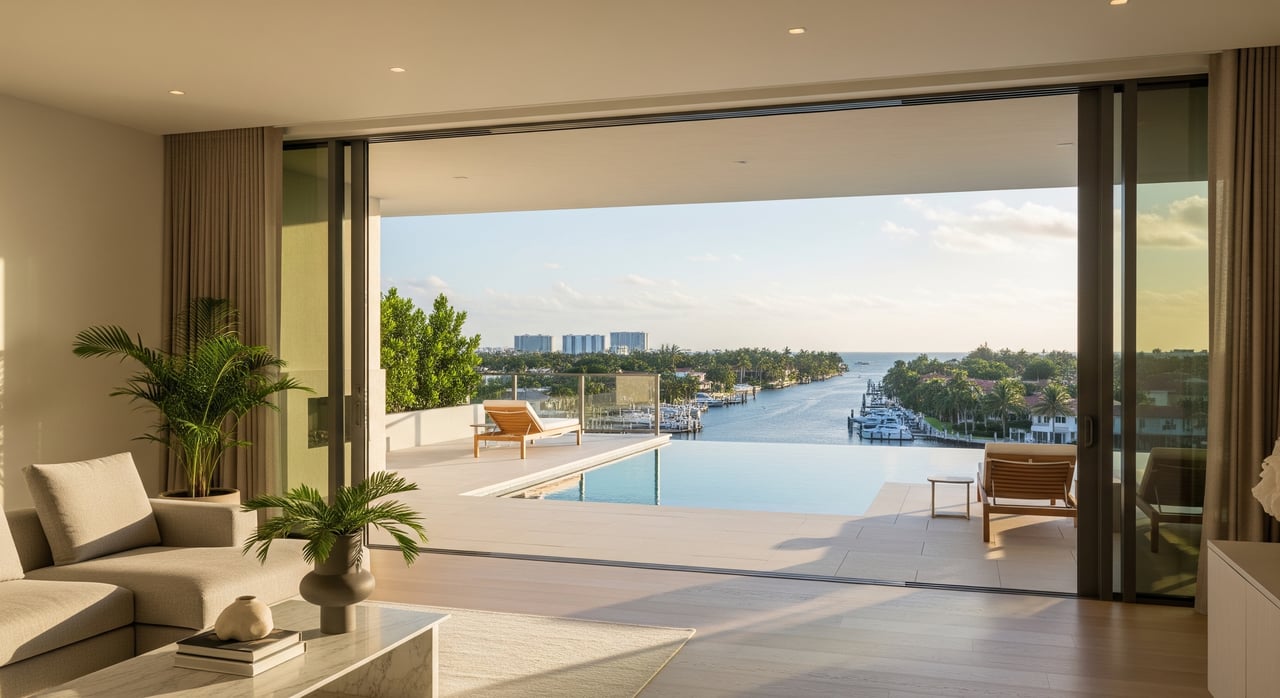
Imagine stepping out for dinner, a gallery opening, and an outdoor concert without starting your car. If you want a lock-and-leave coastal home that trades yard work for walkable evenings and concierge service, downtown Boca Raton’s luxury condos deliver that rhythm. In this guide, you’ll learn what day-to-day life looks like, the amenities you can expect, and the key financial and practical checks to complete before you buy. Let’s dive in.
Downtown Boca at a glance
Walkable urban core
Downtown Boca centers on Mizner Park and the surrounding blocks, with cafés, restaurants, boutiques, and cultural venues arranged along pedestrian-oriented streets. Compared to typical suburban areas in Palm Beach County, the core is notably more walkable. Daily errands like coffee runs, a pharmacy stop, or dinner reservations often happen on foot or with a very short drive.
Beaches and nearby parks
You are a quick drive or bike ride from public beaches and waterfront parks. Areas commonly referenced include the Red Reef Park corridor and South Beach Park. Easy coastal access pairs well with lock-and-leave living when you value frequent shoreline time without long commutes.
Regional access
Major corridors like I-95 and US-1 connect downtown Boca to the broader metro. A municipal general-aviation airport serves the city, and commercial airports are within driving distance. Local bus routes cover central corridors, though many residents still rely on driving or rideshares for certain trips.
What luxury condos offer
Typical amenities and services
Luxury buildings downtown commonly include 24-7 concierge, staffed lobbies, and secured access. On-site amenities often feature fitness centers, resort-style pools, club rooms, and residents’ lounges. You may also find valet parking, covered garages, package rooms, private storage, bike rooms, and on-site property management. Offerings vary by building and model year, so confirm details for each tower.
Dining, culture, and everyday ease
Mizner Park acts as the neighborhood’s living room with restaurants, cafés, and boutique shopping. Outdoor events, farmers’ markets, and amphitheater performances create a steady calendar of things to do. The density of dining and culture means an evening out can be as simple as an elevator ride down and a short walk.
Outdoor and wellness
Nearby public beaches and waterfront parks support swimming, snorkeling near local reef areas, running, or a casual bike ride. City parks and open spaces are popular for daily exercise and dog walking. The combination of amenities and greenspace access makes wellness routines simple to maintain.
Lock-and-leave convenience
Security and staffing
Concierge teams, secured entries, and doormen help streamline daily life and travel. Package rooms and maintenance coordination reduce the friction of being away for part of the season. This structure supports a true lock-and-leave lifestyle for many owners.
Parking and guests
Confirm your assigned parking, the number of spaces, and guest parking rules. Some garages include valet, while others assign or deed spaces. If you host often or keep multiple cars, make parking a top-of-list question during showings.
Noise and privacy
Urban living offers energy and access, which can also mean occasional street activity and event noise. Ask about your unit’s exposure, window systems, and building policies during concerts or plaza events. Elevation, orientation, and construction type can influence your experience.
Costs, fees, and insurance
HOA fees and what they cover
Monthly fees typically fund building maintenance, common-area insurance, security, landscaping, and sometimes portions of utilities. The scope differs by building, so review each association’s budget and line items. Compare coverage to the level of amenities and staffing you expect to use.
Flood and wind considerations
Boca’s coastal setting brings hurricane and flood exposure. Obtain a FEMA flood zone determination for the specific address and confirm any flood insurance requirements. Review the association’s windstorm coverage, current premiums, and deductibles, since these can be significant in Florida and may change with market conditions.
Property taxes
Condo units are taxed like other residential property. For specifics, review parcel-level history with the Palm Beach County Property Appraiser. Factor millage rates and any potential changes into your annual cost view.
Building age and inspections
Older towers vs new construction
Established buildings may offer attractive pricing or proven operations, but can carry upcoming capital projects. Newer towers deliver modern systems and contemporary finishes, though they can come with higher fee structures tied to amenities and insurance. Align the building’s lifecycle with your risk tolerance and time horizon.
Unit and common-area checks
Order a condo-specific inspection for the interior and review available reports on the roof, elevators, HVAC plant, pool, and façade. For properties near salt air, ask about corrosion mitigation and maintenance schedules. Detailed documentation helps you understand short- and long-term obligations.
Condo vs suburban estates
- Space and privacy
- Condos: balconies instead of private yards, vertical living with neighbors close by.
- Estates: larger outdoor areas and more separation from neighbors.
- Maintenance and convenience
- Condos: exterior and common areas handled by the HOA, ideal for frequent travel and downsizing.
- Estates: you control maintenance and projects, with more management required.
- Cost structure
- Condos: monthly HOA fees that cover security, amenities, reserves, and a share of insurance.
- Estates: fewer monthly fees but intermittent larger expenses for structure and grounds.
- Lifestyle and walkability
- Condos: proximity to dining, arts, and events with less day-to-day driving.
- Estates: car-oriented errands and quieter streets with larger private outdoor options.
- Security and social life
- Condos: staffed entries and shared spaces that can foster social programming.
- Estates: independent living with neighborhood connections that develop over time.
Who downtown condos suit
If you value turnkey living with a cultural calendar at your doorstep, downtown condos fit well. Seasonal residents, empty-nesters, and professionals who travel often appreciate the convenience. Investors may also consider select buildings, subject to rental policies and market conditions.
What to review before you buy
Use this checklist to streamline your due diligence and showing conversations:
- Governing documents: declaration, bylaws, rules and regulations
- Financials: current budget, most recent reserve study, and audited or reviewed statements
- Special assessments: any pending or recent assessments and the rationale
- Insurance: association master policy and windstorm coverage, premiums, and deductibles
- Flood exposure: FEMA flood zone determination and lender requirements
- Meetings and governance: minutes for the past 12–24 months and any litigation disclosures
- Rentals and pets: lease minimums, rental caps, seasonal rules, and pet policies
- Parking: number of spaces, guest parking availability, and whether spaces are assigned or deeded
- Elevators and access: number of cars, service elevators, and typical wait times
- Proximity check: distance to Mizner Park, dining, and nearest public beach access
How to approach your search
- Define lifestyle priorities. Rank walkability, beach access, on-site amenities, and staffing.
- Tour at different times. Visit daytime, evenings, and during events to gauge ambience and noise.
- Request documents early. Review budgets, reserves, meeting minutes, and insurance summaries before you write an offer.
- Verify insurance and flood. Ask your insurance advisor for quotes based on the building’s master policy and your unit coverage needs.
- Confirm parking and storage. Match the building’s configurations to your vehicles, guests, and seasonal gear.
- Align rules with your plans. Ensure rental and pet policies fit your lifestyle or investment goals.
When you want a curated search, discreet representation, and design-minded guidance, connect with Kim Klotz to schedule a private consultation tailored to your downtown Boca goals.
FAQs
What do HOA fees in downtown Boca condos usually cover?
- They typically fund building maintenance, common-area insurance, landscaping, security, and sometimes portions of utilities, but specifics vary by building.
How close are downtown Boca condos to public beaches and parks?
- Many residences are a short drive or bike ride to public beaches and waterfront parks, including the Red Reef Park area and South Beach Park.
What should I know about parking in downtown Boca condo buildings?
- Confirm assigned or deeded spaces, guest parking availability, and any valet services, especially if you host often or have multiple vehicles.
Are flood and wind insurance major factors for coastal condos in Boca Raton?
- Yes, obtain a FEMA flood zone check and review the association’s windstorm coverage, premiums, and deductibles since coastal exposure can impact costs.
Can I rent out my downtown Boca condo seasonally?
- Rental policies vary by building, with common rules on minimum lease terms, rental caps, and seasonal restrictions, so review the association’s documents.
How walkable is the Mizner Park area for daily errands?
- The downtown core around Mizner Park is pedestrian-friendly relative to the region, with dining, cafés, shopping, and cultural venues within easy reach.