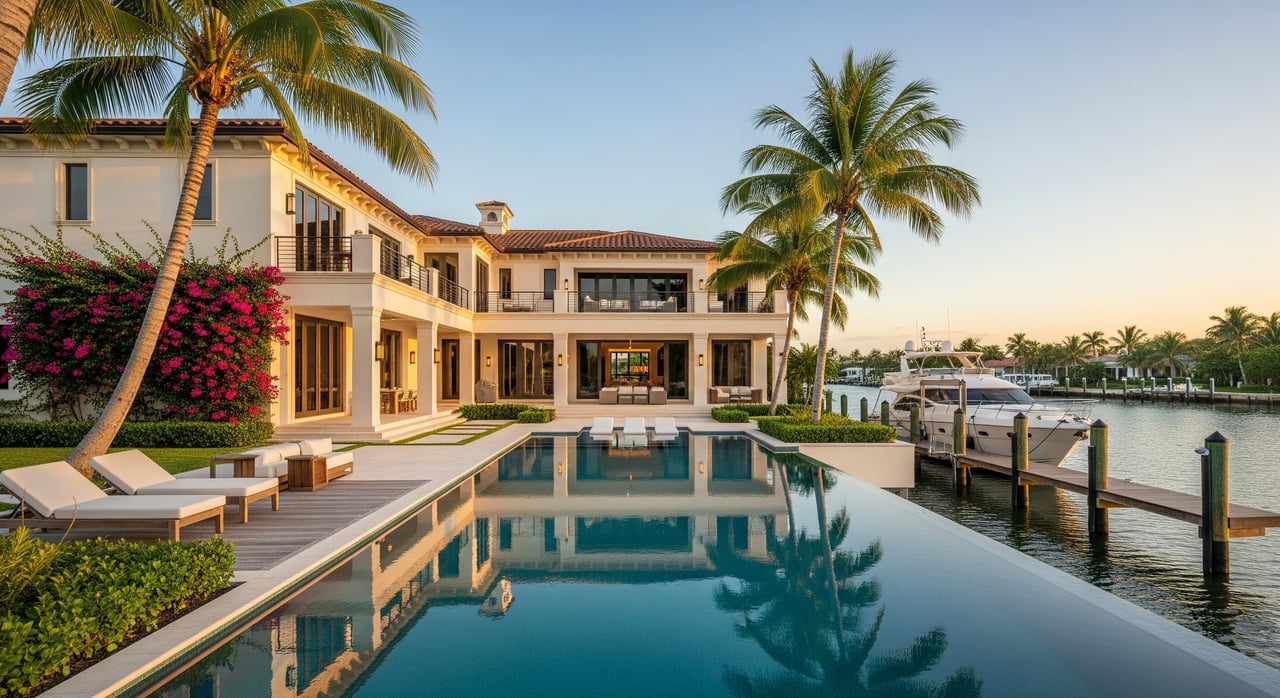
Shopping for a high‑end home in Boca Raton and wondering if your purchase will need a jumbo loan? You are not alone. Between waterfront estates, gated communities, and luxury condos, many local properties sit above standard financing limits. In this guide, you will learn what a jumbo loan is, how it works in Boca Raton, what lenders expect, and how to prepare a confident offer. Let’s dive in.
What a jumbo loan means in Boca Raton
In Boca Raton, “luxury” is market relative. Waterfront estates, club community homes, and top‑tier condos often price well above typical ranges, which means many purchases exceed conforming loan limits. When the amount you need to borrow is higher than the conforming cap for the year, the loan is considered jumbo.
Because of coastal premiums and second‑home demand, jumbo financing is common here. Even with a sizable down payment, many buyers still finance a portion of the purchase to preserve liquidity or investment flexibility.
Conforming vs jumbo: quick refresher
Conforming loans meet size and underwriting rules set by Fannie Mae and Freddie Mac. The Federal Housing Finance Agency updates those size limits each year. For example, the 2024 baseline limit for a one‑unit home was $766,550; limits can be higher in certain designated high‑cost areas. You should always verify the current year’s numbers on the FHFA conforming loan limits page.
Any mortgage that exceeds the applicable conforming limit becomes a jumbo loan. Jumbo loans are underwritten by lenders to their own criteria and may be held in portfolio or sold privately.
Cash or financing: choosing your path
All‑cash offers can close faster and sometimes win in competitive situations because there is no financing or appraisal contingency if the seller accepts such terms. Cash also simplifies escrow for unique or complex properties.
Financing has advantages too. You keep cash available for other investments, maintain liquidity for renovations or unexpected costs, and may benefit from potential tax advantages related to mortgage interest (consult a qualified tax advisor). In Boca Raton, insurance and ongoing ownership costs for coastal properties can be significant, so some buyers prefer financing to balance cash reserves.
A hybrid approach is common. You might make a large down payment to improve pricing and maintain flexibility, or combine a first mortgage with other solutions if your lender offers them.
What lenders expect on jumbo loans
Jumbo programs are designed for well‑qualified borrowers and can be more detailed than standard underwriting. Strong credit, verifiable assets, and clear documentation help you secure favorable terms.
- Competitive profiles often include a FICO of 720 or higher, a low debt‑to‑income ratio, and substantial liquid reserves.
- Condos and waterfront properties can add complexity due to HOA reviews, insurance, and appraisal requirements.
Your documentation checklist
Gather these items early so you can move quickly on the right property:
- Government ID.
- Two years of federal tax returns; W‑2s and recent pay stubs if employed; full documentation if self‑employed.
- Bank and investment statements for 2 to 12 months, including documentation for large deposits.
- Retirement account statements if used for reserves or down payment.
- Gift letters and source verification for gifted funds.
- Signed purchase agreement once under contract, plus applicable HOA or condo documents and preliminary insurance quotes.
- Short letters of explanation for any employment gaps or unusual deposits.
Reserves and appraisals
Jumbo lenders typically require more post‑closing reserves than conforming loans. Expect 6 to 12 months of total housing payments for a primary residence, and potentially 6 to 24 months for second homes and investment properties, depending on your profile and the lender.
Luxury and waterfront properties often need specialized appraisal work with robust comparable sales. Some lenders require full interior and exterior inspections and may use appraisers experienced with high‑value homes.
Primary vs second home vs investment
How you plan to use the property affects pricing, down payment, and reserve requirements.
- Primary residence: most favorable terms; down payments of 10 to 20 percent are common, with best pricing often at 20 percent down or more.
- Second home: typically higher minimum down payment requirements and stronger reserves than a primary, with slightly higher rates.
- Investment property: generally the highest down payments (often 25 to 30 percent or more) and stricter reserves, plus higher rates.
Clarify your intended occupancy early so your lender can structure the right program and timeline.
Lender options and rate dynamics
Several lender types offer jumbo financing. You will see national and regional banks, credit unions, mortgage brokers, and private or wealth‑management lenders. Portfolio and private banks may offer customized underwriting, interest‑only options, or tailored amortization. Terms and pricing vary, so it pays to compare.
Rates for jumbos have historically been similar to or slightly higher than conforming loans, but the spread changes with market conditions and lender balance sheets. Your credit score, loan‑to‑value ratio, property type (single‑family or condo), occupancy, and reserve requirements all influence pricing.
For a straightforward overview of the mortgage process and key concepts, visit the CFPB’s mortgage basics.
Boca due diligence that affects approval
Coastal homes introduce considerations that can impact underwriting, timelines, and insurance budgets.
- Flood and wind exposure: If the home is in a special flood hazard area, lenders will require appropriate flood insurance. Windstorm coverage is also a factor for many properties. You can review local flood zones on the FEMA Flood Map Service Center.
- Seawalls and coastal engineering: Waterfront estates may require inspections or engineering reports for seawalls or bulkheads. Significant repair needs can affect approval or require escrowed funds.
- Condo and HOA reviews: Lenders review association financials, reserves, litigation, special assessments, and rental policies. For high‑rise buildings, confirm early that your lender will approve the project with the available documentation.
- Property taxes and assessments: Review tax history and assessed values through the Palm Beach County Property Appraiser.
Addressing these items early helps you avoid surprises during underwriting and keeps closing on schedule.
Your pre‑tour and pre‑offer plan
Use this simple plan to position your offer for success.
- Secure a jumbo pre‑approval from a lender experienced with Boca Raton luxury properties, or prepare current proof of funds if paying cash.
- Assemble documents in advance, including tax returns, income statements, and 3 to 6 months of asset statements.
- Estimate insurance early. Get preliminary quotes for hazard, wind, and flood if applicable. Schedule a wind mitigation inspection for possible discounts once under contract.
- For condos, request association budgets, reserve studies, and any pending assessment details as soon as you are serious about a building.
- Line up specialized inspections for waterfront or unique homes, including roof, seawall, termite, and mold where appropriate.
- Expect that jumbo timelines can run longer than conforming loans. Pre‑underwriting and early appraisal ordering help keep you on track.
Next steps
If you plan to buy a Boca Raton luxury home with financing, start with a lender conversation and a focused pre‑approval. Then tour selectively with a clear understanding of HOA or condo considerations, insurance, and reserves. When you fall in love with a property, you will be ready to move with confidence.
For discreet, design‑minded guidance on the Boca Raton luxury market, schedule a private consultation with Kim Klotz.
FAQs
What is a jumbo loan for Boca Raton buyers?
- A jumbo loan is any mortgage amount above the current conforming limit set annually by the FHFA; verify the latest numbers on the FHFA conforming loan limits page.
How much down payment is typical for a second‑home jumbo?
- Many second‑home jumbo buyers put 20 percent or more down, with stronger reserve requirements and slightly higher rates than primary residences.
How do condo or HOA rules affect jumbo approval?
- Lenders review association finances, reserves, litigation, and rental policies; incomplete or weak documentation can slow approval or require additional conditions.
How do flood and wind insurance impact my loan?
- Required coverage and premium levels affect your debt‑to‑income ratio and reserves; you can check flood zones on the FEMA Flood Map Service Center.
How long does a jumbo loan take to close in Boca Raton?
- Timelines vary by lender and property complexity, but jumbos can take longer than conforming loans; pre‑underwriting and early appraisal ordering help you close faster.