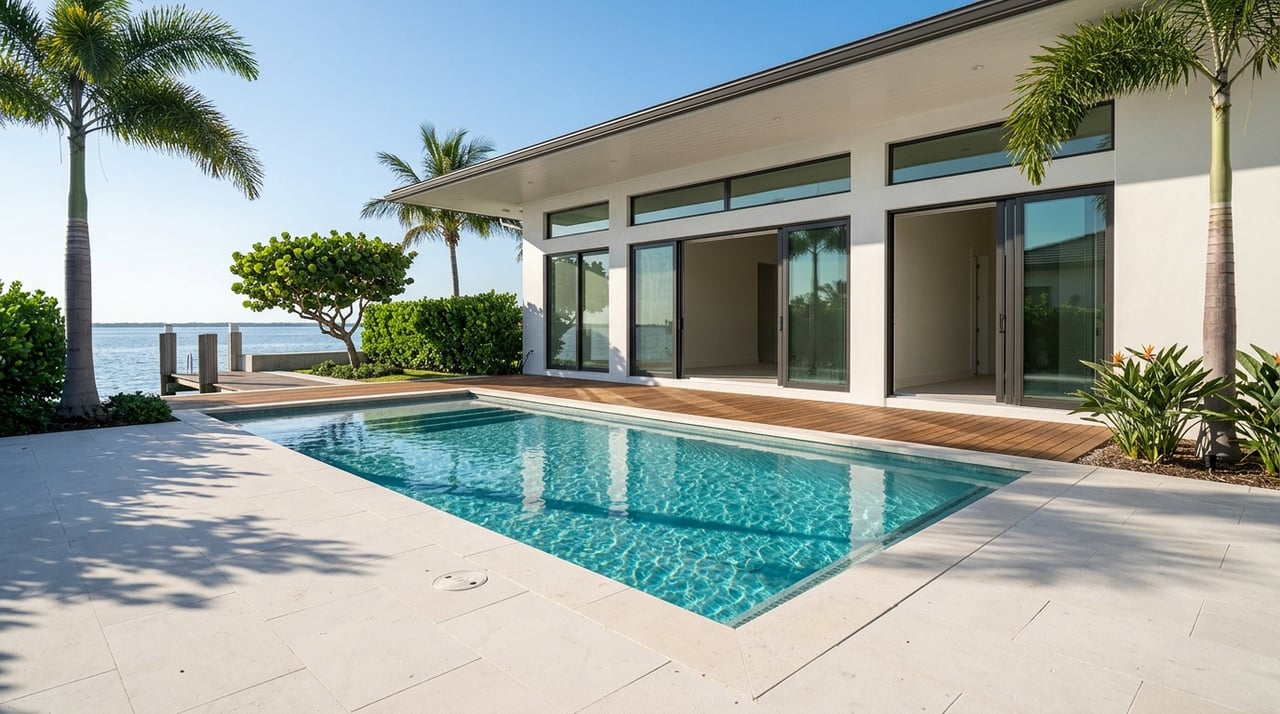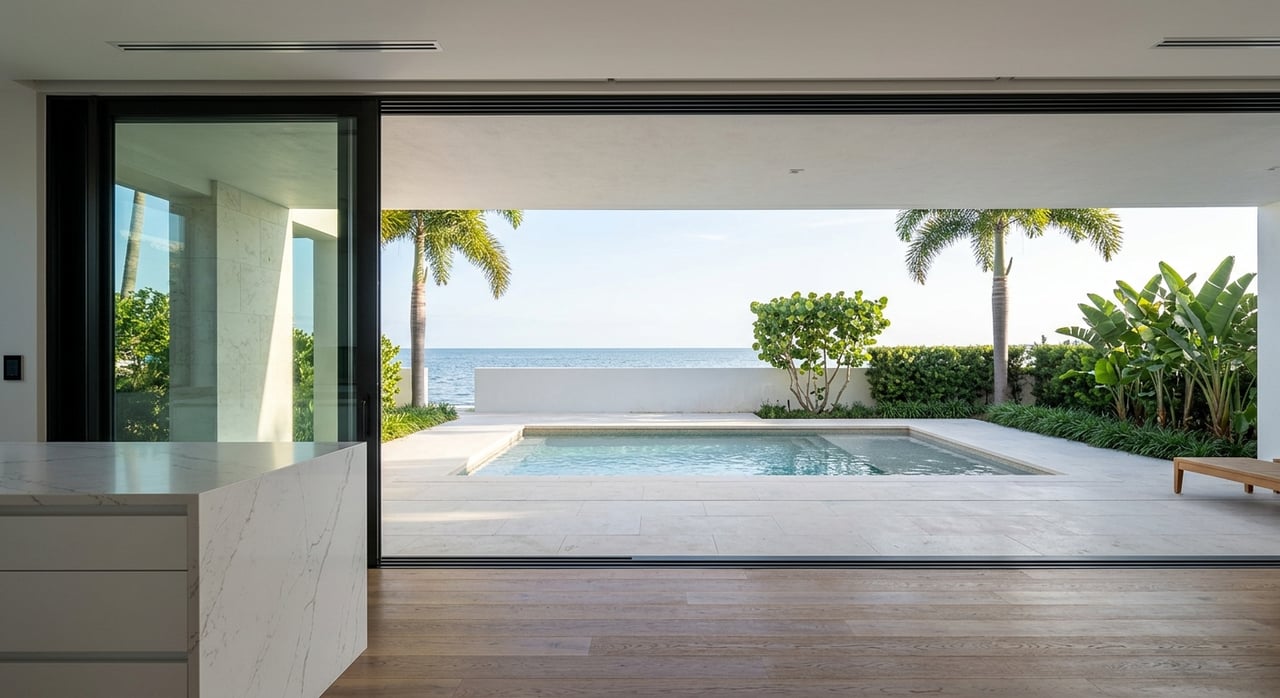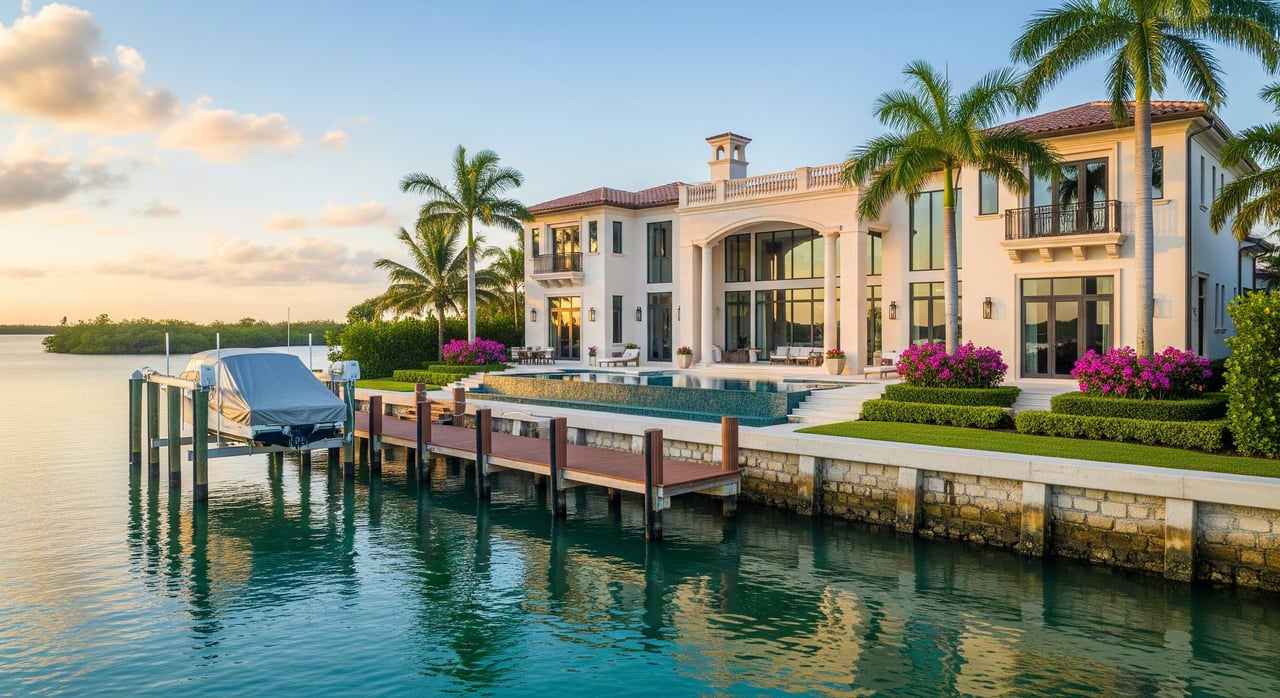
Are you dreaming of waking to water views, stepping onto your boat, or strolling a private stretch of sand? In Boca Raton, the right waterfront choice comes down to how you live and how you boat. You want clarity on access, maintenance, regulations, and resale so your purchase performs as both a lifestyle and financial asset. This guide breaks down the main waterfront types, boating and bridge realities, permitting and insurance basics, and practical checklists tailored to Boca Raton. Let’s dive in.
Waterfront types in Boca Raton
Oceanfront homes
Oceanfront properties sit directly on the Atlantic, where you get expansive views, beach access, and salt air. Conditions are dynamic, with waves, tides, and higher exposure to storm surge. While you are on the ocean, private beachfront dockage for large vessels is uncommon, so owners often rely on nearby marinas or off-site solutions for boating.
You will typically see luxury architecture oriented to sunrise views, dunes or seawalls, and outdoor living that flows to the sand. If a private beach lifestyle and coastal scenery are your top priorities, oceanfront fits well. Expect higher carrying costs tied to storm hardening, seawall or dune care, and insurance.
Intracoastal homes
Intracoastal Waterway properties sit along a protected saltwater channel that parallels the coast. Water is calmer than the open ocean, with tidal influence but far less wave action. Many homes feature private docks or slips that make day cruising and coastal trips simple.
For powerboats and motor yachts, this is a strong fit. You can run the ICW to nearby inlets for ocean access, subject to bridge clearances and speed rules. Views are long and linear, and you are close to waterfront dining and marine services. Values typically trail oceanfront but lead many inland options due to yacht-friendly access.
Deepwater canal homes
Deepwater canal properties branch off the ICW through dredged residential canals. They offer private dockage with varying depths and turning basins. Some canals handle large yachts, while others are best for small to mid-size vessels.
The appeal is privacy, direct at-home boat storage, and quick access to the ICW if the canal network connects cleanly. Value depends heavily on verified canal depth, dock size and condition, and any bridge constraints between you and the ocean. Many luxury enclaves favor this setup for boat-forward lifestyles with sheltered water.
Lakefront homes
Lakefront properties sit on calm freshwater lakes, either natural or man-made. Water is typically placid with no tides, and maintenance is not subject to salt exposure. Boating tends to be limited to small craft like electric boats, kayaks, or paddleboards, often guided by HOA rules.
If you want serene water views without ocean or ICW maintenance, lakefront can be a great fit. It does not deliver direct ocean access and usually commands less of a premium than oceanfront or ICW lots with large-vessel dockage.
Boating access and bridges
Route to the ocean
Your practical run to open water depends on channel layout, speed zones, and the inlet you use. ICW and canal properties connect through designated channels to an inlet. The time it takes can vary based on local routing and regulations. Oceanfront lots are adjacent to the Atlantic, but on-site dockage for large boats is rare, so most owners pair the residence with marina solutions.
Dredging and channel maintenance matter. Some canals require periodic dredging overseen by a municipality, county program, or HOA. Ask who manages the channel and how maintenance is funded.
Bridge clearance
Bridge type and clearance shape what you can run with mast up or antennas fixed. Fixed-high bridges allow many vessels to pass, while fixed-low bridges can block tall rigs. Bascule or vertical-lift bridges open on signal and schedule.
Measure your vessel’s air draft and compare it to all bridges on your route. Confirm the latest clearance data and opening protocols before you commit. This is a top deal-maker for large yachts and sailboats.
Water depth and dock fit
“Deepwater” is relative. You want depth at mean low water for both the route and your dock, plus awareness of any shoaling in turns or basins. Tides can swing usable depth, so check low-tide performance.
Match your vessel’s length, beam, draft, and weight to the dock and lift specifications. Confirm piling condition, hardware, and lift capacity with recent reports.
Dock infrastructure and utilities
Docks can be fixed or floating, with different permitting and maintenance needs. Utility service at the dock, including power and water, is common. Some docks include pump-out facilities or larger electric service for yachts.
Wave action is a comfort and maintenance factor. Exposed ICW sites may experience more wake and motion than sheltered canals, while oceanfront exposure is highest.
Marine services and marinas
Proximity to marinas and service providers matters for larger yachts. The Boca Raton Municipal Marina and private facilities along the ICW and in nearby towns offer berths, fuel, haul-out, and repair. Slip availability varies seasonally, so check capacity and policies early if you plan to berth off-site.
Permits, HOAs, and environment
Seawalls and coastal permits
Seawall, dock, and shoreline work often requires permits from the City of Boca Raton and Palm Beach County. State programs regulate coastal construction control lines and beach or dune protections. If work affects navigable waters or wetlands, federal permits may apply.
Ownership is key. In some communities the HOA maintains seawalls or shared canals, while in others you, the individual owner, carry responsibility. Ask for maintenance records and whether assessments are planned or anticipated.
Docks and slip rules
Local code sets limits for dock length, setbacks, piling standards, and whether covered structures are allowed. HOAs can add stricter design guidelines, materials standards, or color requirements. Slip ownership can be deeded or leased. Confirm transferability, renewal terms, and who pays for upkeep.
Wildlife and speed zones
Manatee protection zones and seagrass areas guide speed limits and no-wake rules. These zones protect sensitive habitats and shape how you operate around your property. Expect enforcement and plan routes with these overlays in mind.
Insurance and flood risk
Flood zones in Boca Raton range from coastal high-risk categories to zones with lower risk inland. Elevation and flood maps inform insurance premiums. A seawall does not remove flood risk designations.
Coastal properties often carry higher flood and windstorm costs and may use a combination of federal and private insurance solutions. Ask for recent insurance quotes aligned to the specific structure, elevation, and zone. Consider sea-level rise and groundwater impacts when evaluating long-term upkeep and resale.
Boca Raton context and value trends
Boca Raton combines oceanfront stretches along A1A with an ICW and canal network that supports luxury yachting. Gated enclaves and barrier-island neighborhoods offer choices based on whether you prioritize private beach living or at-home dockage. Communities such as The Sanctuary and nearby enclaves illustrate the range of design-forward, water-oriented lifestyles available.
As a general trend, pricing often aligns as follows: oceanfront at the top, followed by ICW with substantial private dockage, then deepwater canal with adequate depth and turning, then lakefront. Exceptional architecture, lot size, view corridors, and verified dock capacity can shift this hierarchy.
Buyer checklist
Use this short list to evaluate a property with confidence:
- Navigation and vessel fit
- Measure LOA, beam, draft, and air draft for your vessel.
- Confirm bridge clearances and opening schedules on your route to the ocean.
- Verify channel and dock depth at low tide, and ask for recent soundings.
- Dock and seawall condition
- Get inspection reports on pilings, hardware, lifts, and seawalls, with dates of last work.
- Clarify who pays for dredging or seawall repairs, and whether assessments are pending.
- Permits and restrictions
- Request copies of permits for existing coastal work and check for any code issues.
- Confirm municipal and HOA rules for dock size, setbacks, lifts, or covered structures.
- Insurance and flood risk
- Pull current flood zone data and secure quotes for flood and wind coverage.
- Ask about any historical flood events and mitigation steps taken.
- Community and marina logistics
- Confirm nearby marinas that can service and berth your vessel type.
- If a slip is leased, review lease terms, renewals, and transfer policies.
- Environmental and lifestyle factors
- Map no-wake and manatee zones, and assess wake impact on your dock comfort.
Seller tips
Position your waterfront home to win with boat-minded buyers:
- Documentation and disclosures
- Gather maintenance records for seawalls, docks, and lift certifications, plus any dredging history.
- Provide elevation certificates and recent flood zone confirmations.
- Marketing essentials
- Showcase usable dock dimensions, depth at low tide, and vessel compatibility.
- Offer a concise list of nearby marinas and service providers.
- Pre-listing readiness
- Consider a marine survey of dock and seawall to reduce buyer uncertainty.
- Align staging and photography to highlight water orientation, views, and dock functionality.
How to choose your fit
Start with your non-negotiables. If daily beach access and panoramic Atlantic vistas are the point, oceanfront leads. If you prioritize keeping a larger yacht at home and easy cruising to restaurants and marinas, the ICW or a verified deepwater canal is likely your match. For quiet water views without salt-related upkeep, lakefront delivers a calm alternative.
A focused search that verifies bridges, depths, permits, and insurance can save you time and protect resale value. If you want a discreet, design-minded strategy to buy or sell in Boca Raton’s waterfront market, connect with Kim Klotz to schedule a private consultation.
FAQs
Which Boca Raton waterfront type best suits large motor yachts?
- ICW-front or deepwater canal homes with confirmed channel depth and high bridge clearances generally offer the most practical ocean access.
Do seawalls in Boca Raton eliminate the need for flood insurance?
- No. Seawalls help with erosion but do not remove FEMA flood zone designations or the need for flood coverage.
How do bridges in Boca Raton affect sailboat owners?
- Low fixed bridges can block mast-up passage, while bascule or lift bridges operate on schedules. Measure air draft and confirm clearances.
What permits do I need to build or replace a dock or seawall in Boca Raton?
- Expect city and county permits, with state coastal rules and possible federal review if navigable waters or wetlands are affected.
Are covered boathouses allowed on Boca Raton canals?
- It depends on municipal code and HOA rules. Some areas allow them with conditions, while others restrict or prohibit covered structures.