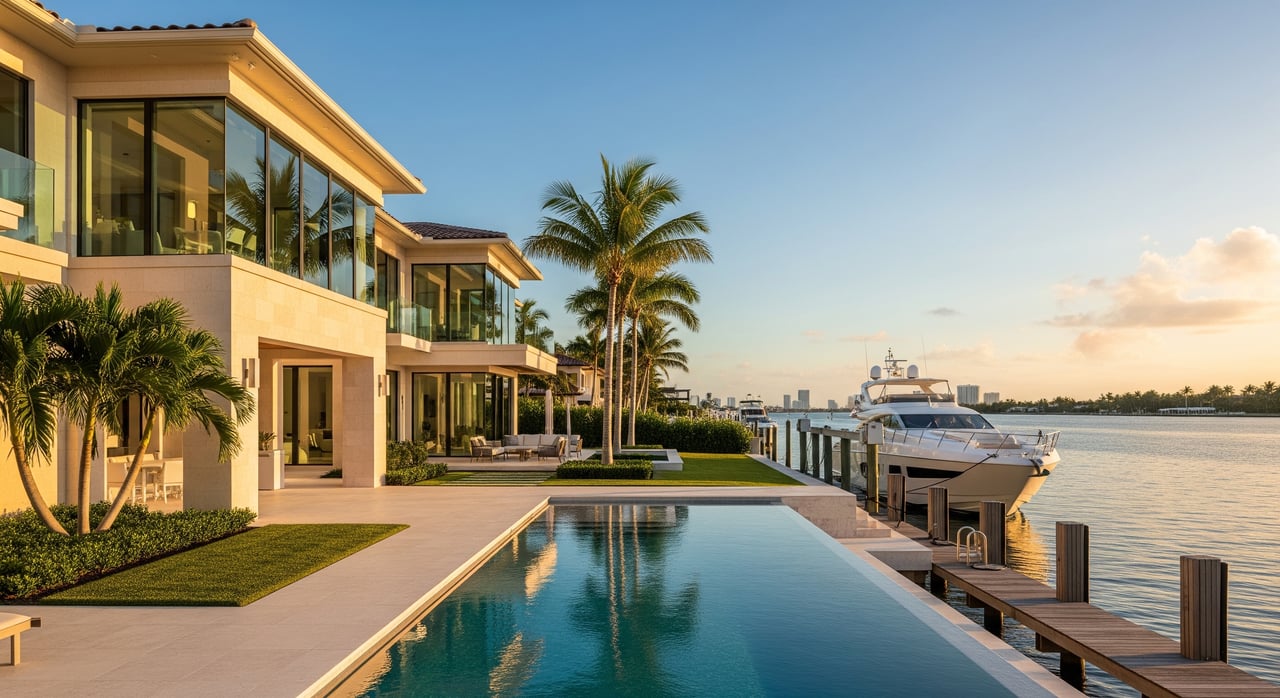
What is actually moving Boca Raton’s luxury market today? If you are buying or selling a high‑value home or condo, you want more than headlines. You want to know who is buying, how they are paying, when activity peaks, and which factors influence pricing power. This guide gives you a clear framework to read demand in Boca Raton and the West Palm Beach–Boca Raton–Delray Beach corridor, so you can make confident decisions. Let’s dive in.
What drives demand now
Boca Raton sits at the center of strong lifestyle demand. You see steady in‑migration from the Northeast, California and Latin America. Many buyers want a primary residence, while others seek a second home. This mix shapes financing, timing and what sells fastest.
Mortgage rates still matter in the mid‑luxury tiers, where more purchases use financing. At the very top, wealth buyers and cash deals cushion the impact of rates. Across the market, homes with turnkey design, privacy and premium amenities draw the most attention. Waterfront scarcity, limited new high‑end lots and longer permitting timelines also keep supply tight for prized locations.
Price bands shape behavior
“Luxury” is not one market. Buyer profiles, cash shares and sensitivity to rates change by price band. Use these tiers to guide your strategy.
Upper‑mid luxury: $1M–$2.5M
This band has the largest buyer pool and a mix of financed and cash purchases. You see more sensitivity to mortgage rates and monthly carrying costs. Updated single‑family homes in gated or golf communities and newer condos close faster when move‑in ready. Pricing must track active competition because buyers compare closely across neighborhoods and finishes.
Prime luxury: $2.5M–$5M
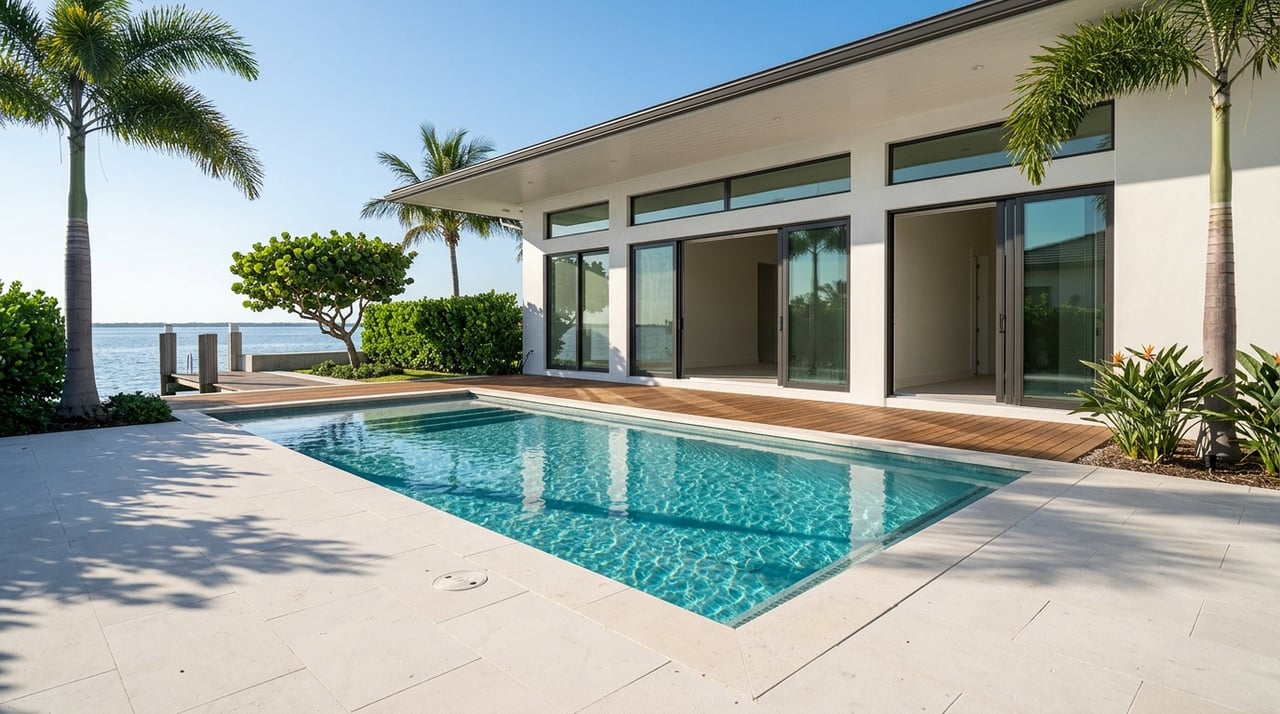
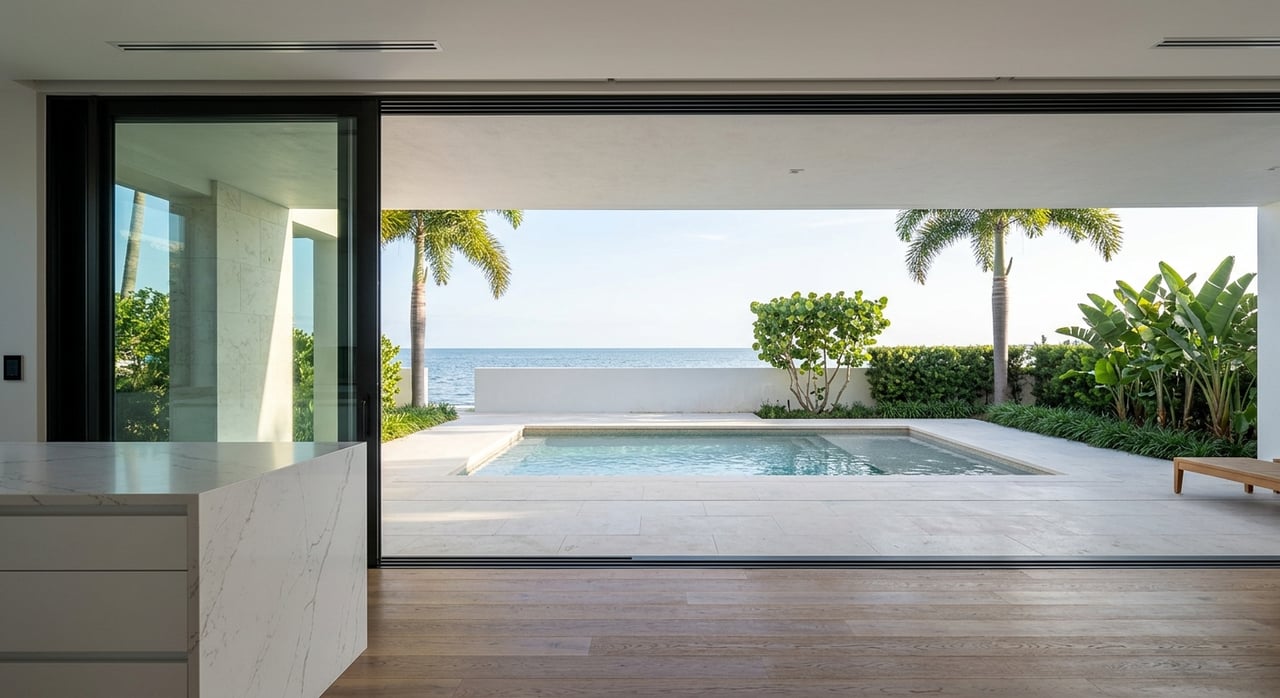
The buyer pool is smaller and the cash share higher. Many buyers are relocating, downsizing from larger estates, or purchasing a seasonal residence. They want lifestyle, views, security and strong design. Homes with modern renovations, dockage or club access command attention, while dated properties take longer unless priced to reflect work.
Ultra‑luxury: $5M+
This is a small, relationship‑driven market with a high cash presence and longer decision cycles. Trophy waterfront properties and newly built estates lead. Buyers respond to architecture, provenance and privacy. Inventory at this level moves on quality and uniqueness rather than broad comps, and timing can be less seasonal for exceptional assets.
Inventory signals that matter
Inventory tells you where leverage sits. A simple framework helps you read current conditions:
- Less than 4 months of supply indicates a seller’s market.
- Four to 6 months suggests a balanced market.
- More than 6 months favors buyers.
In Boca Raton, single‑family luxury often runs tighter due to limited waterfront lots and steady domestic demand. Luxury condos can swing more with new‑build deliveries or financing shifts. Even inside a tier, quality creates sub‑markets. A turnkey home in a prime location can feel like two months of supply while a property with deferred maintenance may sit far longer.
Track these to stay grounded:
- Months of inventory by price band: 1–2M, 2–5M, 5M+.
- Active‑to‑pending ratio to gauge real‑time absorption.
- Median days on market over 30, 90 and 180 days.
- List‑to‑sale price ratio to read pricing power.
- New listings versus closed sales to see if supply is building or clearing.
Compare each metric to one year ago and to multi‑year seasonality. That change shows tightening or loosening, which matters more than any single monthly snapshot.
Cash vs. financing trends
Cash deals are common in South Florida luxury and rise with price. At $5M and above, most activity is cash. In the $1M–$2.5M band, financed buyers are more active and more rate‑sensitive. The mix affects both speed and negotiation.
For sellers, cash offers often shorten timelines and reduce risk tied to financing or appraisal contingencies. Some cash buyers will ask for a price consideration in exchange for certainty. You should weigh net proceeds, risk and time to close.
For buyers, cash can win on terms. If you are financing, get pre‑approved and be ready with appraisal and condo project eligibility checks. For condos, confirm early that your lender will finance a specific building. Strong files and realistic timelines make your offer more competitive.
Seasonality and timing
Boca Raton sees peak luxury demand from late fall through early spring, roughly November to March. Winter residents and second‑home buyers are in market and are often ready to act. Summer and early fall tend to be quieter, with longer days on market and more price sensitivity.
For sellers, timing matters. Many list in early November to capture peak showing traffic and high‑quality buyer itineraries. For buyers, you may find more room to negotiate in the off‑season, especially on properties that need updates or where inventory has built.
Remember that a three‑month supply in January differs from a three‑month supply in July. The winter buyer pool is larger, and a higher share may be cash.
Condo factors reshaping demand
Condo demand in Boca Raton has shifted since the 2021 Surfside tragedy. Safety, reserves and governance now sit at the center of buyer and lender scrutiny.
- Regulatory and inspections: Buyers and lenders expect current inspection reports, reserve studies and clear board minutes. Older buildings with deferred maintenance or thin reserves face more questions and longer diligence.
- Financing eligibility: Lenders tightened project reviews. Owner‑occupancy levels, reserve funding, insurance, litigation and any large single‑owner concentration matter. If a project is ineligible for common programs, the financed buyer pool shrinks and cash becomes more important.
- Insurance and carrying costs: Florida property and condo master policy premiums have risen, which increases monthly fees. Buildings with inadequate reserves risk special assessments, which can deter some buyers.
The net effect is clear. Well‑run buildings with strong documentation and recent capital work command stronger demand and better pricing. Buildings with weak fundamentals see longer timelines and lean more on cash buyers. If you are buying, confirm project eligibility and review budgets, reserve studies and insurance renewals early. If you are selling, prepare this package in advance to widen your buyer pool.
Watch these signals next
You can read market tone in weeks, not months, by following a short set of indicators:
- Months of inventory by price band compared to one year ago.
- List‑to‑sale price ratio trending up or down.
- Share of cash sales in the last 90 days in your band.
- Median days on market trend lines.
- Number and size of recent price reductions.
- New construction closings versus resale closings.
For condos, add a second layer:
- Current project financing eligibility and any lender updates.
- Recent insurance renewal terms and any carrier changes.
- Reserve study funding level and planned capital projects.
- Litigation status involving the association.
Buyer playbook
Use a focused plan to win the right property at the right terms.
- Define your band: Narrow your search by price tier and product type, such as waterfront single‑family, gated club home or downtown tower residence.
- Prepare funds: Secure proof of funds or a strong pre‑approval. Ask your lender about condo project underwriting criteria before you write.
- Verify the building: For condos, request the last three budgets and audits, the latest reserve study, inspection reports and board minutes. Confirm eligibility early.
- Read the inventory: Compare months supply and days on market in your price band today versus one year ago. Adjust opening terms to reflect leverage.
- Time your offers: Expect more competition in winter. If you prefer negotiation room, target late summer through early fall or homes with longer market time.
- Streamline contingencies: If you are financing, be realistic about appraisal timelines and condo reviews. Shorten other contingencies where you can to stay competitive.
Seller playbook
Position your asset to capture the highest quality demand.
- Lead with documentation: For condos, assemble reserve studies, budgets, insurance details and inspection reports before launch. For single‑family, gather survey, permits and recent improvements.
- Calibrate pricing: Use months supply, list‑to‑sale ratios and active‑to‑pending readings in your exact price band. Price within the market you are in, not the market you prefer.
- Elevate presentation: Buyers pay for turnkey. Use design‑forward staging, high‑impact photography and lifestyle storytelling to highlight architecture, views and amenities.
- Time the market: Consider a November launch to tap peak seasonal traffic. If listing off‑season, lean into private showings, targeted outreach and clear value.
- Weigh offer quality: Cash and short timelines can be worth more than a higher but riskier financed offer. Compare net proceeds, certainty and time to close.
Single‑family vs. condo nuances
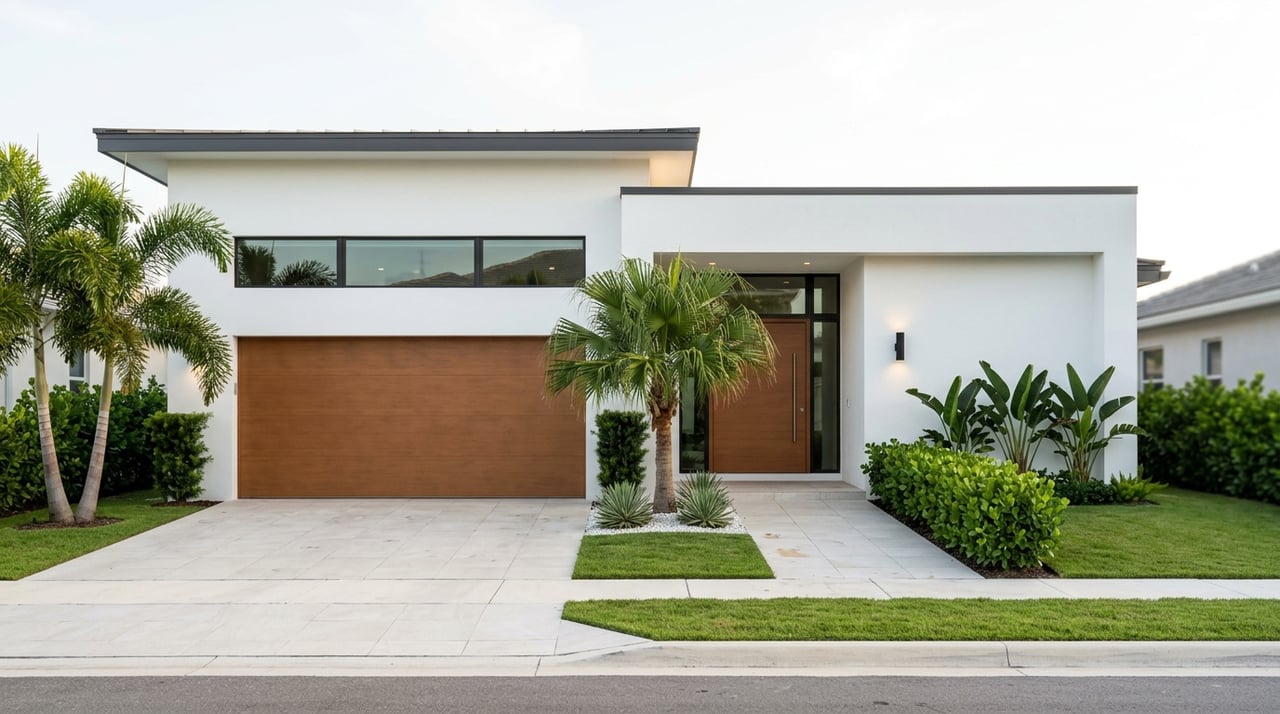
Single‑family luxury in Boca Raton benefits from land scarcity, especially on the water or near private club communities. New builds and recent renovations attract premium interest because they pair modern layouts with low immediate maintenance. In many sub‑neighborhoods, pristine condition can create a micro seller’s market even when broader metrics say balanced.
Condos deliver lock‑and‑leave convenience and skyline or ocean views. Today, governance and financials are as important as finishes. In well‑run buildings with clear reserves and favorable lending profiles, demand remains strong. In buildings with open questions, expect longer diligence periods, a higher share of cash offers and more selective buyers.
How to align your strategy
Start by defining your exact competitive set. Segment by price, product and location, then layer in current months supply, cash share and seasonality. If you are buying, tailor your terms to match the seller’s risk and timeline priorities. If you are selling, remove friction by providing documentation and elevating presentation. In Boca Raton’s luxury tiers, small strategy adjustments can change outcomes in meaningful ways.
When you want a confidential, design‑minded strategy backed by deep local data, partner with a trusted advisor who lives these dynamics every day. Schedule a private consultation with Kim Klotz to craft a plan around your goals.
FAQs
What price points define luxury in Boca Raton?
- Luxury activity commonly starts near $1M, with useful bands at $1M–$2.5M, $2.5M–$5M and $5M+. Each tier has a different buyer mix, cash share and sensitivity to rates.
How do mortgage rates affect $1M–$2.5M homes?
- Financed buyers are more active in this band, so rate changes influence monthly costs, demand and pricing power more than in higher price tiers.
When is the best time to list a luxury property?
- Peak demand typically runs November through March, when more seasonal and second‑home buyers are in market. Off‑season listings may see fewer showings but can still sell with the right pricing and presentation.
What should I review before buying a Boca Raton condo?
- Request the latest reserve study, budgets and audits, insurance renewal details, inspection reports, board minutes and confirm project financing eligibility with your lender.
Should I take a lower cash offer or wait for a higher financed offer?
- Compare net proceeds, risk and timeline. Cash often reduces fall‑through risk and can justify a modest price trade‑off, especially in balanced or slower segments.
Which inventory metric should I watch first?
- Start with months of inventory in your exact price band compared to one year ago, then layer in list‑to‑sale ratio and median days on market to confirm trend direction.